

Vitamin C and Diabetes — Antioxidants, Immunity & Metabolic Support
Vitamin C (ascorbic acid) is one of the body’s most important antioxidants. It supports immune strength, collagen formation, wound healing, inflammation balance, and cellular defense against oxidative stress. For individuals living with diabetes — a condition in which oxidative damage, inflammation, and metabolic stress are common — vitamin C plays an especially valuable supportive role.
This guide provides a clear, research-informed explanation of how vitamin C may support metabolic health, its potential benefits, dosage considerations, and safety insights.
What Is Vitamin C?
Vitamin C is a water-soluble nutrient found naturally in fruits and vegetables. It acts as a powerful antioxidant and is necessary for immune defense, tissue repair, and collagen formation. Since the human body cannot produce vitamin C, it must be obtained through diet or supplementation.
Key Functions of Vitamin C
Vitamin C is essential for:
neutralizing free radicals
maintaining healthy immune function
supporting collagen and tissue healing
assisting iron absorption
supporting cellular repair
balancing inflammation
These functions are especially relevant for individuals managing metabolic stress.
Vitamin C Levels and Metabolic Health
Research suggests that people with metabolic challenges or chronic inflammation may have:
lower circulating vitamin C levels
higher demand for antioxidants
increased oxidative stress
This makes vitamin C an important part of overall wellness.
Vitamin C and Diabetes — What Research Suggests
Vitamin C does not treat diabetes, but it may support several metabolic processes affected by higher oxidative burden and inflammation.
Antioxidant Support Against Oxidative Stress
Oxidative stress is a major factor in metabolic dysfunction. Vitamin C helps:
protect cells from free radical damage
regenerate other antioxidants (such as vitamin E)
support metabolic resilience
This may help maintain cellular balance.
Immune Health Support
Individuals with diabetes often experience immune challenges. Vitamin C supports:
normal immune cell function
healthy inflammation responses
tissue repair during infections or illness
Potential Support for Blood Vessel and Skin Health
Vitamin C is required for collagen formation and tissue repair. This may support:
wound healing
skin integrity
blood vessel strength
These areas are important for long-term wellness in people with metabolic concerns.
Possible Influence on Post-Meal Glucose Response
Some studies have examined whether vitamin C may:
assist oxidative balance during meals
support healthier post-meal responses
reduce oxidative stress related to elevated glucose levels
Findings are mixed, but research interest continues.
Benefits of Vitamin C for Metabolic and Immune Health
Supports Antioxidant Defense
Vitamin C neutralizes reactive oxygen species and helps maintain the body’s antioxidant network — especially important for individuals with elevated metabolic stress.
Helps Balance Inflammation
Vitamin C supports balanced inflammatory responses, which may help maintain overall metabolic wellness.
Supports Wound Healing and Collagen Production
Healthy skin, tissue repair, and collagen formation depend on adequate vitamin C intake.
Immune System Support
Vitamin C strengthens immune function and enhances the body’s natural defense mechanisms.
How to Use Vitamin C Safely
Recommended Daily Dosage
Purpose |
Typical Daily Dose |
|---|---|
general use
|
250–1,000 mg per day
|
Higher amounts may be used occasionally
|
depending on dietary intake
|
Vitamin C is water-soluble, and excess amounts are typically excreted.
Forms of Vitamin C
Common forms include:
Ascorbic acid
Sodium ascorbate (buffered)
Calcium ascorbate (Ester-C)
Liposomal vitamin C (enhanced absorption)
All forms can be effective.
Best Time to Take Vitamin C
Many people take vitamin C:
with meals to reduce stomach discomfort
in two divided doses throughout the day for sustained levels
Best Vitamin C Supplements (U.S. Market)
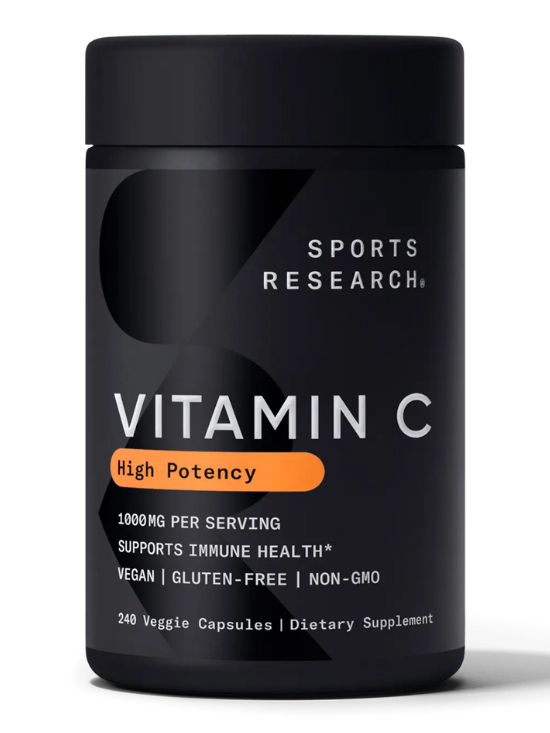
Vitamin C 1000mg
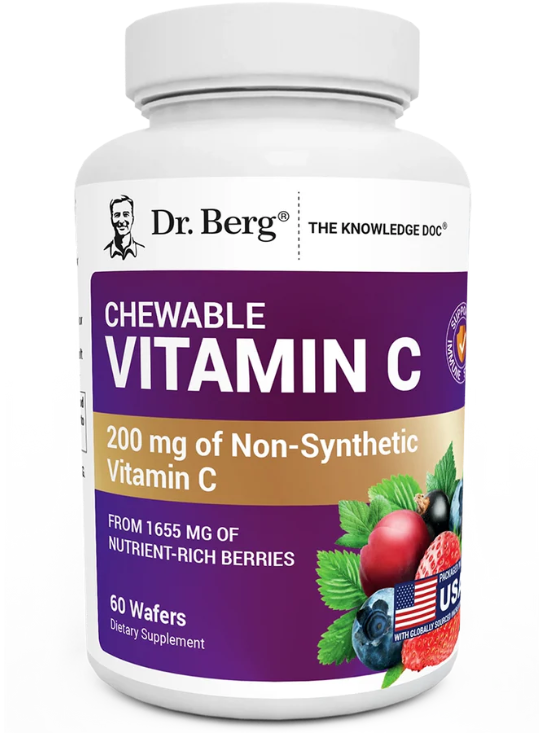
Vitamin C Complex
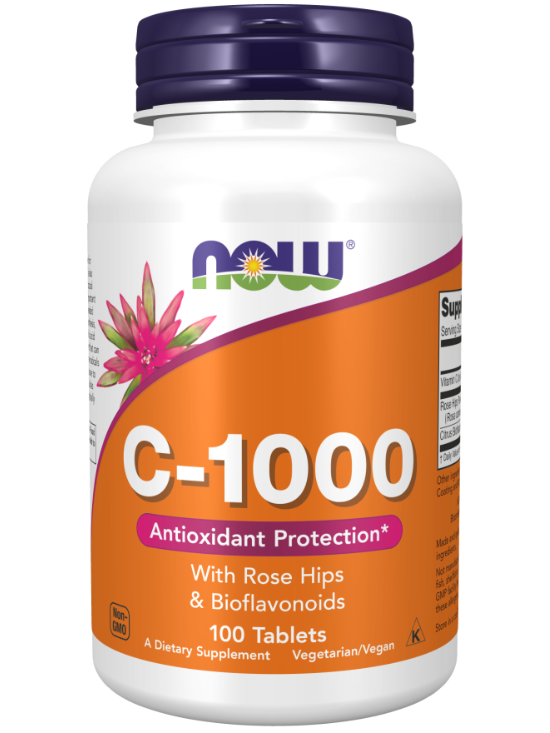
Vitamin C-1000
These appear frequently in U.S. comparison lists and buyer guides.
Safety, Side Effects & Precautions
Potential Side Effects
Vitamin C is generally well tolerated. Possible side effects may include:
mild digestive upset
loose stools at higher doses
stomach discomfort when taken on an empty stomach
Who Should Use Caution?
Individuals with:
kidney stones
iron absorption disorders
certain genetic conditions
should consult a healthcare provider before supplementing.
Interactions
Vitamin C may interact with certain medications or high-dose supplements; individuals should follow healthcare guidance.
Conclusion
Vitamin C is a foundational nutrient that supports antioxidant defense, immune strength, inflammation balance, and tissue repair. These functions may be especially relevant for individuals experiencing metabolic stress or managing diabetes. While vitamin C is not a treatment, it can be a valuable part of a well-rounded wellness strategy that includes nutrition, lifestyle balance, and medical guidance. Its broad availability, safety profile, and essential role in cellular health make it a widely used supplement for overall metabolic and immune support.
FAQs

Vitamin C supports antioxidant defense, immune health, and tissue repair — all important areas for metabolic wellness. It does not replace medication.
Yes, most individuals can safely take standard daily doses.
All forms can be effective. Buffered and liposomal forms may be gentler or better absorbed for some individuals.
Research shows mixed results, and vitamin C is not intended to replace medical treatment.