

Resveratrol and Diabetes — Antioxidant Protection, Insulin Sensitivity & Metabolic Health
Resveratrol is a natural polyphenol best known for its antioxidant and anti-inflammatory properties. Found in foods such as red grapes, berries, and peanuts, resveratrol has attracted significant scientific interest for its potential role in supporting metabolic health, insulin sensitivity, cardiovascular function, and cellular protection.
For individuals managing diabetes, where oxidative stress, inflammation, and metabolic dysfunction are common, resveratrol is increasingly studied as a supportive nutritional compound. This guide explains what resveratrol is, how it works in the body, what research suggests about its relationship with diabetes, and how it can be used safely.
What Is Resveratrol?
Resveratrol is a naturally occurring polyphenolic compound produced by plants as a defense mechanism against environmental stress. It is most commonly associated with red wine, though supplemental forms provide much higher and more consistent amounts than food sources alone.
Natural Sources of Resveratrol
Resveratrol is found in:
red and purple grapes
blueberries and cranberries
peanuts
Japanese knotweed (primary source of supplements)
Dietary intake is typically low, which is why supplements are commonly used.
How Resveratrol Works in the Body
Resveratrol is studied for its ability to:
neutralize free radicals
support cellular stress responses
influence metabolic and inflammatory pathways
activate longevity-associated mechanisms (such as sirtuins)
These actions are relevant to metabolic health and glucose regulation.
Resveratrol and Diabetes — What Research Suggests
Resveratrol does not treat or cure diabetes. However, scientific studies suggest it may support biological processes affected in metabolic disorders.
Insulin Sensitivity and Glucose Metabolism
Some studies suggest resveratrol may help:
support insulin signaling pathways
improve glucose uptake in cells
enhance metabolic flexibility
These effects appear to be modest and vary by dosage, duration, and individual factors.
Oxidative Stress and Inflammation
Chronic oxidative stress and inflammation are key contributors to insulin resistance and diabetes-related complications. Resveratrol’s antioxidant activity may help:
protect cells from oxidative damage
support balanced inflammatory responses
maintain cellular integrity in high-glucose environments
Mitochondrial and Cellular Energy Support
Resveratrol has been studied for its effects on:
mitochondrial function
cellular energy production
metabolic efficiency
Healthy mitochondrial function is essential for glucose metabolism and insulin responsiveness.
Potential Benefits of Resveratrol for Metabolic Health
Antioxidant Protection
Resveratrol helps neutralize free radicals and supports the body’s antioxidant defense system.
Supports Insulin Function
By influencing metabolic signaling pathways, resveratrol may help support insulin sensitivity when combined with lifestyle management.
Cardiovascular and Vascular Support
Cardiovascular health is closely linked to diabetes. Resveratrol may support:
endothelial function
healthy blood vessel responses
oxidative balance in vascular tissue
Cellular Aging and Longevity Pathways
Resveratrol is widely studied for its interaction with cellular longevity mechanisms, which may be relevant to long-term metabolic health.
How to Use Resveratrol Safely
Typical Dosage
Common supplemental dosages range from:
100–500 mg per day
Higher doses are sometimes used in research settings, but individuals should follow product instructions or professional guidance.
Best Forms of Resveratrol
Most supplements use:
trans-resveratrol (the biologically active form)
Japanese knotweed extract
Some formulations combine resveratrol with other polyphenols for enhanced absorption.
Best Time to Take Resveratrol
Resveratrol is commonly taken:
with meals containing healthy fats
once daily or divided into two doses
Fat intake may improve absorption.
Best Resveratrol Supplements (U.S. Market)
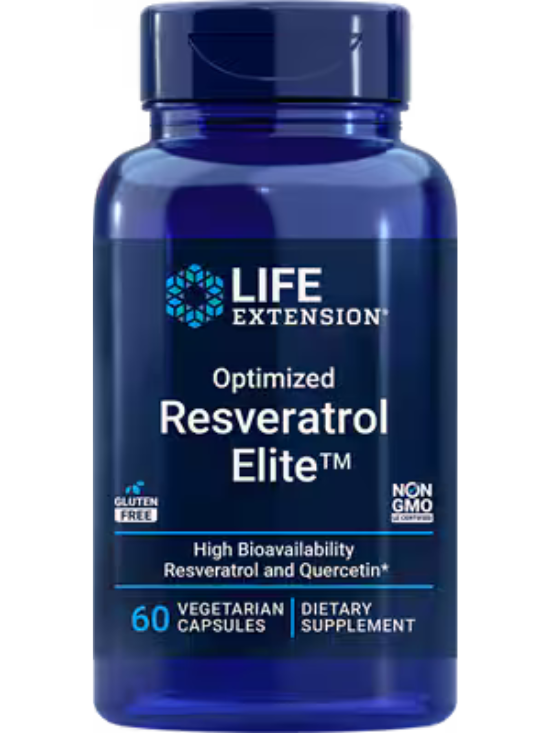
Optimized Resveratrol
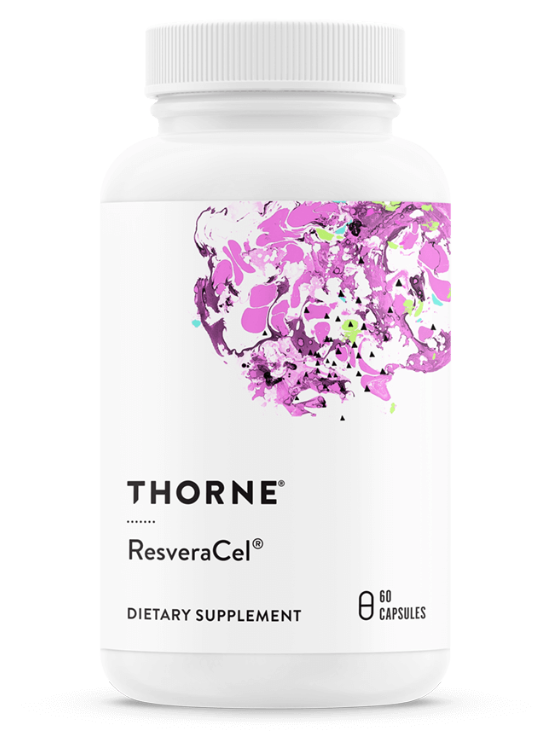
ResveraCel®
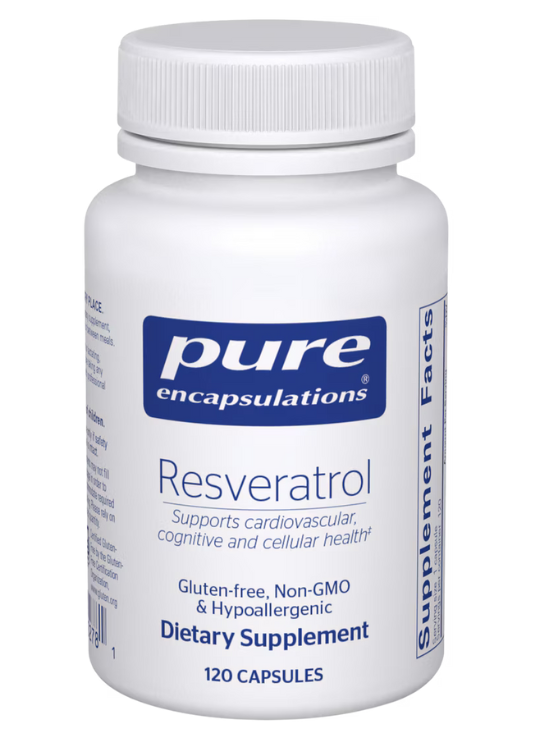
Resveratrol
These brands are frequently referenced in supplement comparisons and research discussions.
Safety, Side Effects & Precautions
Possible Side Effects
Resveratrol is generally well tolerated. Some individuals may experience:
mild digestive discomfort
nausea at higher doses
headaches (rare)
Who Should Use Caution?
Consult a healthcare provider if you:
take blood-thinning medications
have bleeding disorders
are pregnant or breastfeeding
take hormone-related medications
Drug Interactions
Resveratrol may interact with:
anticoagulants
antiplatelet medications
some metabolic or hormonal drugs
Professional guidance is recommended.
Conclusion
Resveratrol is a well-studied polyphenol with antioxidant, anti-inflammatory, and metabolic support properties. For individuals managing diabetes, it may play a supportive role by helping reduce oxidative stress, support insulin signaling, and promote cellular resilience. While it does not treat diabetes, resveratrol’s scientific background, cardiovascular relevance, and metabolic potential make it a valuable component of a comprehensive wellness strategy when used responsibly.
FAQs

Resveratrol may support antioxidant balance, insulin sensitivity, and metabolic health. It is not a substitute for diabetes treatment.
Some studies show modest effects, but results vary. Resveratrol should be considered supportive, not therapeutic.
Trans-resveratrol from Japanese knotweed is the most studied and commonly recommended form.
Many people determine long-term use with medical guidance, especially at higher doses.