

NAC (N-Acetylcysteine) and Diabetes — Glutathione, Oxidative Stress & Metabolic Support
N-Acetylcysteine (NAC) is a derivative of the amino acid cysteine and is widely known for its role in supporting the body’s production of glutathione, one of the most powerful antioxidants in human physiology. Because oxidative stress and chronic inflammation play a central role in metabolic disorders, NAC has gained attention for its potential supportive role in diabetes and metabolic health.
This guide explains what NAC is, how it works in the body, and what current research suggests about its possible benefits, safety, and appropriate use for individuals managing diabetes.
What Is NAC (N-Acetylcysteine)?
NAC is a stable, supplemental form of cysteine, an amino acid required for glutathione synthesis. Glutathione is often called the body’s “master antioxidant” because it protects cells from oxidative damage and supports detoxification pathways.
NAC and Glutathione Production
NAC works primarily by:
supplying cysteine, the rate-limiting amino acid for glutathione
helping maintain intracellular antioxidant balance
supporting cellular defense against free radicals
Low glutathione levels are associated with oxidative stress, inflammation, and metabolic dysfunction.
Medical and Nutritional Uses
NAC has been used in medical and nutritional contexts for:
antioxidant support
liver detoxification pathways
respiratory health
immune balance
cellular protection
Its metabolic relevance has made it a topic of interest in diabetes research.
NAC and Diabetes — What Research Suggests
NAC is not a treatment for diabetes, but scientific studies suggest it may support biological processes that are commonly impaired in metabolic disorders.
Oxidative Stress and Insulin Resistance
Oxidative stress contributes to:
insulin resistance
beta-cell dysfunction
vascular damage
chronic inflammation
By supporting glutathione levels, NAC may help reduce oxidative stress at the cellular level.
Inflammation Balance
Chronic low-grade inflammation is a hallmark of Type 2 diabetes. NAC has been studied for its role in:
modulating inflammatory pathways
supporting redox balance
maintaining healthier cellular signaling
Liver Function and Metabolic Detoxification
The liver plays a key role in:
glucose regulation
insulin metabolism
detoxification
NAC supports liver antioxidant capacity, which may indirectly benefit metabolic balance.
Potential Benefits of NAC for Metabolic Health
Supports Antioxidant Defense
By replenishing glutathione, NAC helps protect cells from oxidative damage associated with high glucose environments.
Supports Cellular Health
Healthy cellular signaling depends on balanced redox status, which NAC may help maintain.
May Support Insulin Sensitivity (Indirectly)
Some research suggests that reducing oxidative stress may help support healthier insulin signaling, though results vary.
Supports Immune and Inflammatory Balance
NAC is known to support immune resilience and balanced inflammatory responses.
How to Use NAC Safely
Common supplemental dosages range from:
Purpose |
Typical Dosage |
|---|---|
often divided into two doses
|
600–1,800 mg per day
|
Dosage depends on individual needs and product formulation.
Best Time to Take NAC
NAC is often taken:
on an empty stomach for better absorption
away from protein-rich meals
once or twice daily
Some individuals prefer taking it earlier in the day.
Forms of NAC
Most supplements contain:
N-acetyl-L-cysteine capsules or tablets
Quality and purity are important due to regulatory scrutiny.
Best NAC Supplements (U.S. Market)
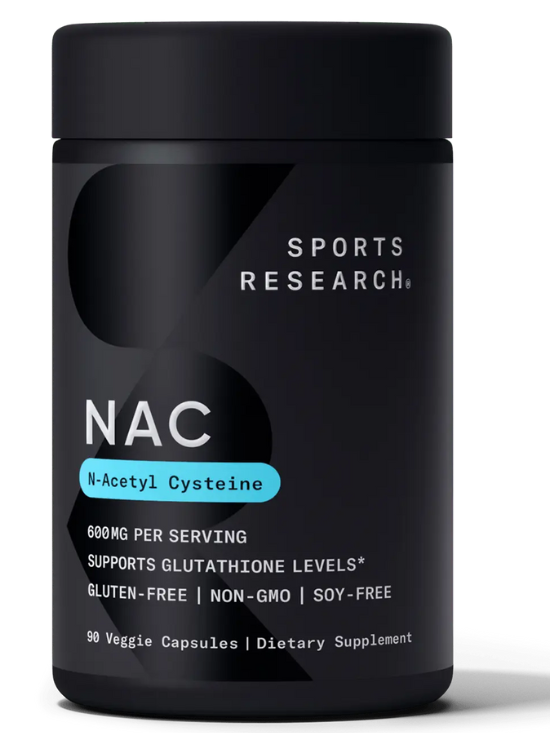
NAC
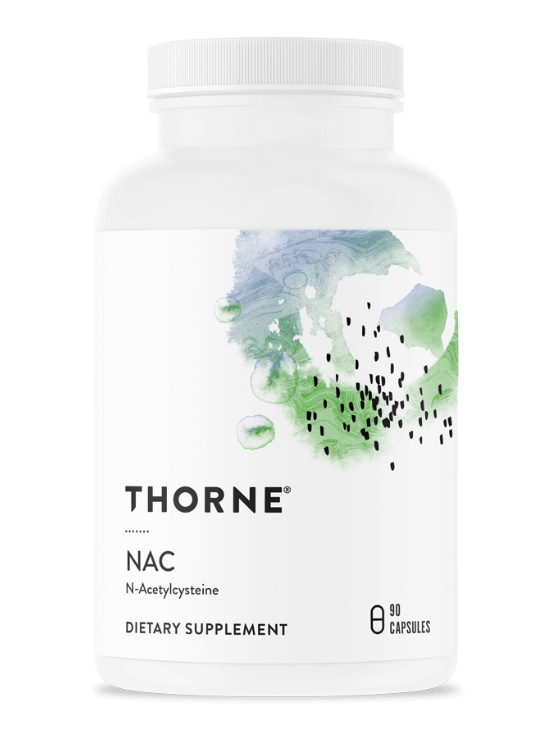
Thorne NAC
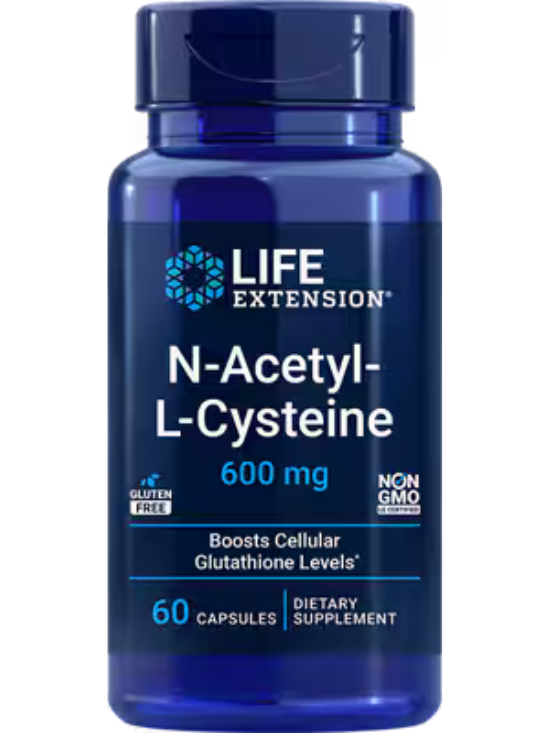
Life Extension NAC
These brands are commonly used in clinical and consumer settings.
Safety, Side Effects & Precautions
Common Side Effects
NAC is generally well tolerated. Possible effects include:
mild nausea
gastrointestinal discomfort
sulfur-like odor (normal for NAC)
Taking NAC with water usually minimizes discomfort.
Who Should Use Caution?
Consult a healthcare professional if you:
take nitroglycerin or blood-pressure medications
have asthma or bleeding disorders
are pregnant or breastfeeding
Drug Interactions
NAC may interact with:
certain blood-pressure medications
activated charcoal
some chemotherapy agents
Medical guidance is advised.
Conclusion
N-Acetylcysteine (NAC) is a well-studied compound that supports glutathione production, antioxidant defense, and cellular protection. Because oxidative stress and inflammation are central contributors to metabolic dysfunction, NAC may play a valuable supportive role for individuals managing diabetes. While it does not treat or cure diabetes, its biochemical importance, safety profile, and research background make it a meaningful addition to a comprehensive metabolic wellness strategy.
FAQs

NAC may support antioxidant balance, inflammation control, and cellular health, which are relevant to metabolic wellness. It is not a substitute for diabetes treatment.
NAC does not directly lower blood sugar. Its role is supportive through antioxidant and metabolic pathways.
Antioxidant effects develop gradually with consistent use.
Many people use NAC long-term under guidance, but periodic breaks are sometimes recommended.