Milk Thistle and Diabetes — Liver Support, Antioxidants & Metabolic Wellness
Milk thistle (Silybum marianum) is a traditional herbal supplement widely used for liver support, antioxidant defense, and metabolic balance. Its active compound, silymarin, has been studied for its potential effects on liver function, inflammation, and cellular protection — all important considerations for individuals living with diabetes or metabolic stress.
This guide provides a clear, research-informed overview of milk thistle’s potential benefits, safety considerations, dosage insights, and its possible role in metabolic and liver health.
What Is Milk Thistle?
Milk thistle is a flowering herb native to the Mediterranean region. Its seeds contain silymarin, a group of active flavonoids with antioxidant and anti-inflammatory properties.
What Is Silymarin?
Silymarin is made up of several compounds, including:
silybin (silibinin)
silydianin
silychristin
These compounds are believed to support antioxidant defense and protect liver cells from oxidative damage.
Traditional & Modern Use
Milk thistle has been used for centuries in traditional herbal medicine to:
support liver function
promote bile flow
support detoxification
maintain overall metabolic balance
Today, it is one of the most widely used herbal supplements in the U.S. for liver health.
Milk Thistle and Diabetes — What Research Suggests
Milk thistle does not cure diabetes, and it does not replace medication.
However, research suggests it may support several biological processes relevant to metabolic health.
Liver Function and Blood Sugar Balance
The liver plays a central role in:
glucose storage
glucose release
insulin regulation
detoxification
When liver function is under metabolic stress, blood sugar control may be affected.
Milk thistle’s traditional role in supporting liver health has led researchers to explore its connection to metabolic wellness.
Antioxidant Support and Oxidative Stress
Oxidative stress contributes to:
insulin resistance
cellular aging
inflammation
metabolic imbalance
Silymarin provides antioxidant support that may help protect cells from free radical damage.
Inflammation Balance
Milk thistle contains compounds that may help balance inflammatory responses, which play a role in metabolic health and cellular function.
Potential Effects on Lipid and Cholesterol Patterns
Some early studies suggest milk thistle may support:
healthy cholesterol levels
triglyceride balance
improved oxidative resilience in liver cells
These areas continue to be explored in research.
Benefits of Milk Thistle for Metabolic Health
Supports Liver Health
Milk thistle is widely used to support liver function — an important factor in glucose metabolism and detoxification pathways.
Antioxidant Protection
Silymarin provides strong antioxidant activity, helping protect cells from oxidative stress.
Helps Balance Inflammation
Its flavonoids may assist in supporting healthy inflammatory responses.
May Support Healthy Metabolic Function
By supporting the liver and reducing oxidative stress, milk thistle may contribute to overall metabolic balance.
How to Use Milk Thistle Safely
Recommended Dosage
Purpose |
Typical Daily Dose |
|---|---|
silymarin extract per day
|
150–450 mg
|
Standardized extracts
|
typically contain 70–80% silymarin
|
Individuals should follow product labels or consult a healthcare provider.
Best Forms of Milk Thistle
Common supplement forms include:
standardized milk thistle extract
silymarin capsules
silybin-phytosome (enhanced absorption form)
Enhanced-absorption forms may offer better bioavailability.
How to Take Milk Thistle
Many individuals take milk thistle:
with meals
once or twice daily
consistently over time for supportive effects
Best Milk Thistle Supplements (U.S. Market)
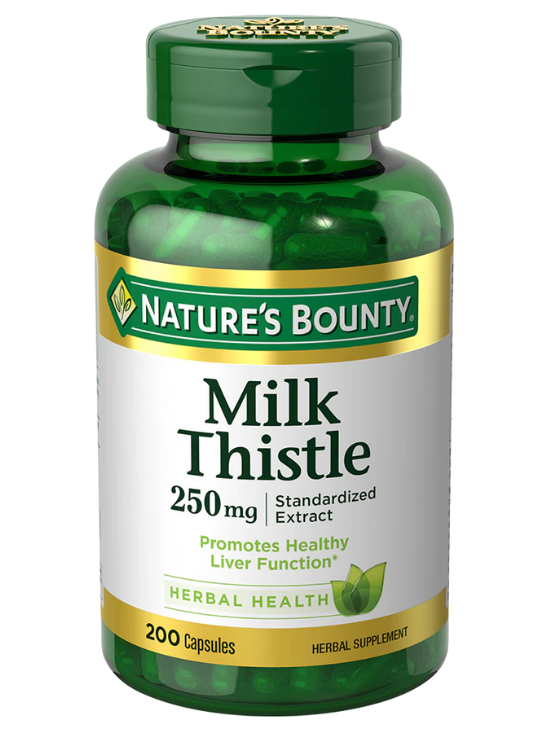
Milk Thistle
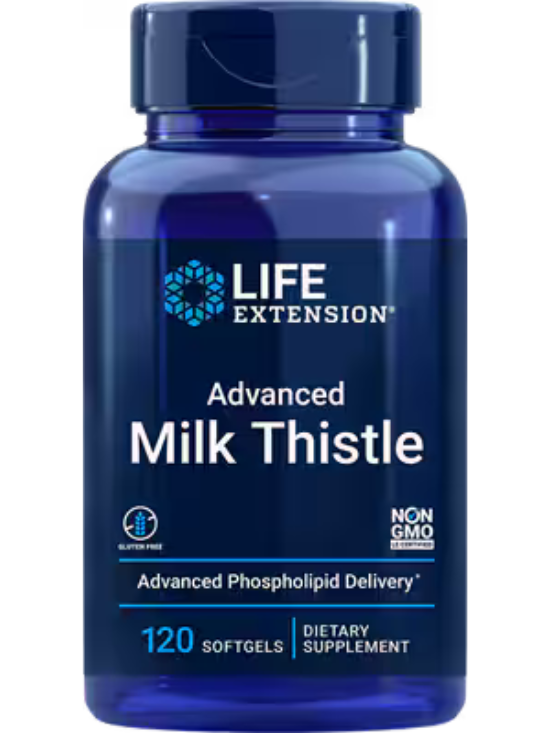
Super Milk Thistle
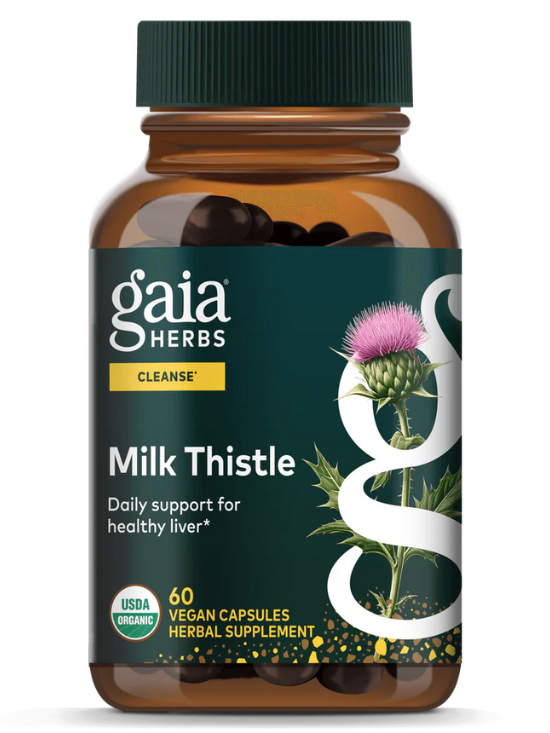
Milk Thistle Seed
These brands are widely trusted and commonly reviewed across major health websites.
Safety, Side Effects & Precautions
Possible Side Effects
Milk thistle is generally well tolerated. Possible side effects may include:
mild digestive discomfort
bloating or gas
headaches (rare)
Who Should Use Caution?
Individuals should consult a healthcare provider if they:
have hormone-sensitive conditions
are pregnant or breastfeeding
take medications metabolized by the liver
have allergies to plants in the Asteraceae family
Drug Interactions
Milk thistle may interact with:
certain antipsychotics
some cholesterol-lowering medications
drugs processed by the liver (CYP450 pathway)
Healthcare guidance is recommended.
Conclusion
Milk thistle is a widely used herbal supplement known for its potential support of liver health, antioxidant defense, and inflammation balance. These areas are important for individuals managing metabolic stress or Type 2 diabetes. While not a treatment, milk thistle may play a helpful role within a broader lifestyle and wellness approach. Its long history of use, supportive research, and strong safety profile make it one of the most popular liver-support herbs in the U.S.
FAQs

Milk thistle may support liver function, antioxidant defense, and inflammation balance — all potentially helpful for metabolic health. It is not a treatment for diabetes.
Some studies have explored possible metabolic benefits, but results are mixed. Milk thistle should not replace diabetes medication.
Standardized extracts with 70–80% silymarin or enhanced silybin-phytosome formulas may offer optimal support.
Generally yes, when used appropriately. Individuals should consult their healthcare provider if they have medical conditions or take medications.