

Cinnamon Extract and Diabetes — Blood Sugar Support, Insulin Sensitivity & Metabolic Health
Cinnamon extract is one of the most widely discussed natural supplements for blood sugar support and metabolic wellness. Rich in polyphenols and bioactive compounds like cinnamaldehyde, cinnamon may assist insulin sensitivity, glucose metabolism, and inflammation balance — all of which are important considerations for people managing diabetes.
This guide summarizes what science currently suggests about cinnamon extract, its potential benefits, safety, dosage, and how it may fit into a broader wellness approach for individuals with Type 2 diabetes.
What Is Cinnamon Extract?
Cinnamon comes from the inner bark of cinnamon trees and has been used for centuries in traditional systems of medicine. Modern supplements use standardized cinnamon extract, which concentrates the active compounds believed to influence metabolic health.
Ceylon vs. Cassia Cinnamon
There are two primary types:
Ceylon cinnamon (“true cinnamon”)
Lower in coumarin
More expensive
Preferred for long-term use
Cassia cinnamon
More common
Stronger flavor
Higher coumarin content
Most supplements use Ceylon cinnamon due to safety considerations.
Active Compounds in Cinnamon Extract
The primary bioactive components include:
Cinnamaldehyde
Cinnamic acid
Procyanidins (polyphenols)
Cinnamate compounds
These compounds are believed to support antioxidant activity and metabolic pathways involved in glucose regulation.
Powdered Cinnamon vs. Extract
Powdered cinnamon is used as a spice and may vary in potency.
Standardized extracts provide a controlled amount of active compounds and are generally preferred for supplementation.
How Cinnamon May Support Blood Sugar & Insulin Function
Cinnamon is not a treatment for diabetes, but research suggests it may support several metabolic processes when used responsibly.
Cinnamon and Insulin Sensitivity
Some studies suggest that cinnamon extract may help:
support healthy insulin receptor activity
improve cellular response to insulin
assist glucose uptake into cells
This may help promote balanced glucose metabolism.
Post-Meal Glucose Response
Post-meal (postprandial) blood sugar spikes are common in Type 2 diabetes. Cinnamon extract has been studied for its potential to:
slow carbohydrate digestion
support healthy post-meal glucose responses
encourage more stable energy levels
Anti-Inflammatory and Antioxidant Properties
Cinnamon is rich in polyphenols that support:
antioxidant defense
inflammation balance
cellular protection from oxidative stress
Since oxidative stress and inflammation contribute to metabolic dysfunction, this may be an important supportive mechanism.
Possible Effects on Lipid and Fat Metabolism
Some research indicates cinnamon may support healthy lipid balance by influencing:
triglycerides
LDL oxidation
fat storage pathways
These effects are still being explored.
Research Findings on Cinnamon & Type 2 Diabetes
Human studies show mixed but promising results. Areas of scientific interest include:
Glucose Transport Mechanisms
Cinnamon may influence the pathways that help glucose enter cells, potentially supporting insulin function.
Enzyme Activation
Some compounds in cinnamon may affect enzymes involved in glucose and lipid metabolism.
Cellular Signaling Pathways
Cinnamaldehyde and other compounds appear to support pathways linked to metabolic balance and healthy inflammation responses.
While more research is needed, cinnamon extract continues to be widely studied due to its accessibility, safety profile, and long history of traditional use.
Benefits of Cinnamon Extract for Metabolic Health
Supports Healthy Blood Sugar Balance
Some individuals use cinnamon extract as part of a broader plan to support normal blood sugar levels.
Helps Support Insulin Receptor Activity
Polyphenols in cinnamon may support healthy insulin signaling.
Antioxidant and Anti-Inflammatory Support
Cinnamon provides botanical compounds that help defend cells from oxidative stress.
Potential Support for Cardiometabolic Health
Some early studies link cinnamon to:
healthy triglyceride balance
healthy cholesterol patterns
improved oxidative resilience
These findings are still under investigation.
How to Use Cinnamon Extract Safely
Recommended Dosage
Typical supplemental dosage ranges:
500–2,000 mg per day (standardized extract)
Individuals should follow product labels or consult a healthcare provider.
Choosing Ceylon vs. Cassia Supplements
For long-term use, Ceylon cinnamon extract is generally preferred because:
it contains less coumarin
it is gentler for regular use
studies often use standardized Ceylon extract
Best Time to Take Cinnamon Extract
Many individuals take cinnamon extract:
before meals
with food to minimize digestive discomfort
divided into two doses daily (morning and afternoon)
Best Zinc Supplements (U.S. Market)
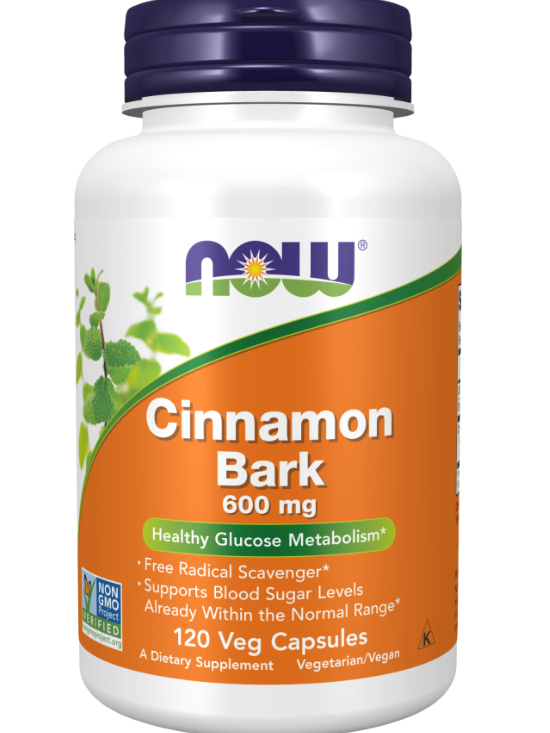
NOW Foods Ceylon Cinnamon
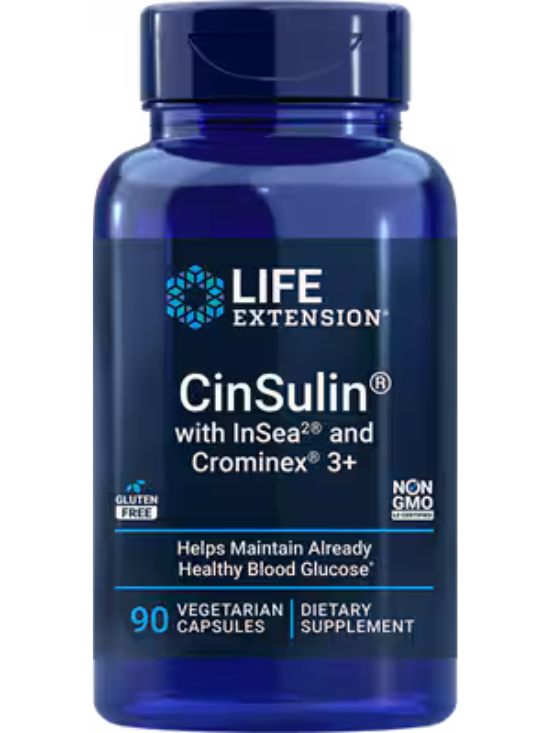
Life Extension Cinnamon

Cinnamon Plus
Safety, Side Effects & Precautions
Coumarin Content (Important)
Cassia cinnamon contains higher coumarin, which may be unsafe at very high intakes. Ceylon cinnamon is lower in coumarin and generally preferred.
Possible Side Effects
Cinnamon is usually well tolerated but may cause:
stomach discomfort
mild digestive irritation
interactions when taken with certain medications
Who Should Avoid Cinnamon Supplements?
Individuals should use caution or consult a healthcare provider if they:
take blood-thinning medications
have liver issues
are pregnant or breastfeeding
use multiple herbal supplements together
Conclusion
Cinnamon extract is a well-known natural supplement with potential supportive benefits for blood sugar balance, insulin sensitivity, antioxidant protection, and metabolic wellness. While it is not a treatment for diabetes, it may play a helpful role as part of a broader lifestyle and wellness plan for individuals seeking natural approaches to metabolic support. Its long history of traditional use, accessibility, and growing research interest make cinnamon extract a widely used option in metabolic health routines.
FAQs

Some studies suggest cinnamon may support healthy glucose metabolism, but results are mixed. It is not a replacement for diabetes medication.
Ceylon cinnamon is preferred for long-term use due to lower coumarin content.
Dosage typically ranges from 500–2,000 mg daily, but individuals should follow product labels or consult a healthcare provider.
No. Cinnamon is a supportive supplement, not a substitute for medical treatment.