
Benfotiamine (Vitamin B1) and Diabetes — Nerve Support, Cellular Protection & Glucose Metabolism
Benfotiamine is a highly bioavailable form of Vitamin B1 (thiamine) and has gained significant attention for its potential to support nerve health, glucose metabolism, and protection against cellular damage associated with long-term diabetes.
This guide explores how benfotiamine works, what research suggests, its role in diabetic neuropathy, dosage guidelines, safety, and the best supplements available in the U.S. market.
What Is Benfotiamine?
Benfotiamine is a fat-soluble derivative of Vitamin B1 designed for superior absorption compared to regular thiamine. While thiamine is water-soluble and absorbed slowly, benfotiamine enters cells more efficiently and supports metabolic pathways more effectively.
Benfotiamine vs. Thiamine (Vitamin B1)
Thiamine (B1): low absorption, quickly excreted
Benfotiamine: high absorption, longer-lasting effects
This difference makes benfotiamine the preferred form for metabolic and nerve-related support.
Why Bioavailability Matters
People with diabetes often have lower levels of functional Vitamin B1 inside their cells due to high glucose turnover. Benfotiamine’s improved absorption helps:
restore cellular B1 levels
support energy metabolism
protect against metabolic stress
How Benfotiamine Works in the Body
Benfotiamine supports several biological pathways including:
transketolase activation (important for glucose metabolism)
reduction of oxidative stress
support for cellular energy production
These effects may support long-term metabolic wellness.
Benfotiamine and Diabetes — What Research Suggests
Benfotiamine does not treat or cure diabetes, but research suggests it may support several metabolic processes commonly affected in individuals with diabetes.
Support for Glucose Metabolism
Benfotiamine plays a role in carbohydrate metabolism.
It may help support:
more efficient glucose processing
healthy cellular glucose pathways
reduced accumulation of harmful by-products of glucose metabolism
Anti-Glycation Support (AGEs Reduction)
One of benfotiamine’s most studied effects is its role in reducing the formation of Advanced Glycation End Products (AGEs) — harmful compounds formed when proteins or fats combine with sugar.
AGEs contribute to:
nerve discomfort
inflammation
vascular concerns
long-term tissue stress
Benfotiamine may help reduce AGE accumulation, supporting overall cellular wellness.
Cellular Energy and Nerve Function
Vitamin B1 is essential for mitochondrial energy production.
Benfotiamine may support:
nerve cell energy
healthy nerve signaling
reduced metabolic stress on nerve tissues
Inflammation and Oxidative Stress
Oxidative stress and inflammation play a major role in long-term metabolic concerns. Benfotiamine may help support a healthier inflammatory response.
Benfotiamine for Diabetic Neuropathy
Benfotiamine is widely studied for its potential supportive role in diabetic neuropathy — a condition involving nerve discomfort associated with long-term metabolic stress.
Nerve Protection Mechanisms
Benfotiamine may help support nerve health by:
reducing oxidative stress
supporting healthy metabolic pathways
helping protect nerve cells from AGE-related stress
Insights from Clinical Studies
Some studies suggest benfotiamine may support:
nerve comfort
improved nerve function
reduction in neuropathy-related stress signals
While results vary from person to person, consistent use may support long-term nerve wellness.
When Results May Appear
Supportive effects from benfotiamine typically appear after:
4–12 weeks of consistent use
higher doses may show faster improvements
Dosage Guidelines & How to Use Benfotiamine
Effective Dose Range (150–600 mg/day)
Purpose |
Typical Daily Dose |
|---|---|
general support
|
150–300 mg/day
|
additional nerve support (under medical guidance)
|
300–600 mg/day
|
With Meals or Without?
Benfotiamine can be taken:
with food (preferred for comfort)
once or twice per day depending on the dose
How Long to Take It
Many individuals use benfotiamine for:
2–3 months for initial support
longer periods for ongoing wellness (under supervision)
Best Benfotiamine Supplements (U.S. Market)

Doctor’s Best Benfotiamine

Nerve Support Benfotiamine
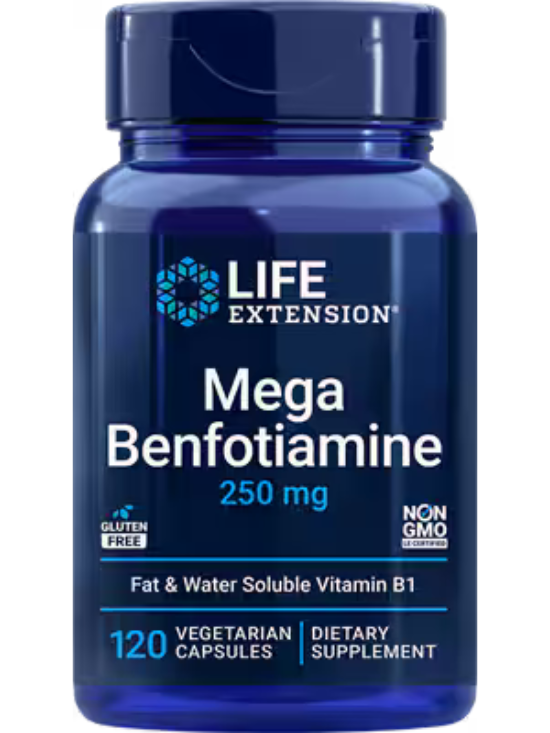
Life Extension Benfotiamine
Choose supplements that:
use benfotiamine (not plain thiamine)
have clear dosage labeling
are third-party tested
avoid excessive fillers
Safety & Precautions
Benfotiamine is generally well tolerated.
Possible Side Effects
mild stomach discomfort
headache (rare)
skin sensitivity (rare)
Who Should Be Careful?
Consult a doctor if you:
are pregnant or breastfeeding
take medications that affect blood sugar
have existing nerve conditions requiring clinical management
Benfotiamine should not replace medical treatments.
Conclusion
Benfotiamine is a highly bioavailable form of Vitamin B1 that supports metabolic wellness, nerve comfort, and protection against AGE-related cellular stress. While it does not treat diabetes, research suggests that benfotiamine may provide meaningful support for nerve health, cellular energy, and metabolic pathways when used consistently and responsibly.
It is a valuable addition to your long-term supplement and wellness strategy.
FAQs

Research suggests benfotiamine may support nerve comfort and metabolic wellness.
Benfotiamine supports glucose metabolism pathways but does not lower blood sugar in place of medication.
Yes — benfotiamine has significantly higher bioavailability.
Many individuals use it consistently for several months for optimal support.