diabetes knowledge hub

Author name: diabetesknowledgehub.com

Magnesium Glycinate

2026 Evidence-Based Guide Magnesium Glycinate for Metabolism, Sleep & Stress Magnesium is an essential mineral involved in over 300 biological reactions — including blood sugar regulation, nerve relaxation, muscle function, and energy production.Among all forms, Magnesium Glycinate is considered one of the most effective and gentle options for improving insulin sensitivity, sleep quality, and stress balance. This guide explains how magnesium glycinate works, its benefits, dosage, side-effects, and how to choose the best supplement safely. https://diabetesknowledgehub.com/wp-content/uploads/2025/12/generated_video-27.mp4 What Is Magnesium Glycinate? Highly Absorbable & Gentle Form Magnesium glycinate = magnesium + amino acid glycine Excellent absorption Gentle on stomach Suitable for long-term use It is especially helpful for individuals with metabolic stress, sleep issues, or low dietary magnesium. Key Health Benefits of Magnesium Glycinate Supports Insulin Sensitivity Low magnesium levels are associated with insulin resistance.Clinical studies suggest magnesium supplementation may help improve insulin function and fasting glucose response. Helps Improve Sleep & Relaxation Glycine promotes calmness and deeper restorative sleep cycles.Magnesium regulates GABA — the neurotransmitter responsible for calming the nervous system. Reduces Stress & Muscle Tension Helps lower stress hormones Releases muscular tightness Supports calm mood and mental ease Heart & Nerve Support Contributes to normal nerve function, heart rhythm, and cellular energy production. Who May Benefit Most Magnesium glycinate may help individuals with: Stress & anxiety Poor sleep quality Insulin resistance Fatigue or muscle tension Metabolic syndrome tendencies Frequent processed-food intake (low-magnesium diet) Recommended Dosage & Usage Guidance Recommendation Daily dose 200–400 mg elemental magnesium Best time Evening (supports sleep) With food? Yes, if sensitive stomach Onset 2–4 weeks for noticeable benefits Start with 200 mg nightly and increase gradually if needed. Safety & Side Effects Generally Well-Tolerated Rare mild digestive sensitivity Less laxative effect than magnesium oxide/citrate Avoid Excessive Dosage Very high doses may cause loose stools; adjust dosage if needed. Medical caution: kidney disease or certain medications → consult doctor first. Best Magnesium Glycinate Supplements (U.S. Picks) Magnesium Glycinate Softgel pure & cost effective Learn more Magnesium Glycinate premium quality Learn more Magnesium Glycinate verified high-quality options Learn more Choose third-party tested supplements for purity. Conclusion Magnesium Glycinate is one of the most effective and gentle forms of magnesium for stress balance, muscle health, restful sleep, and metabolic support. Combined with nutrition, movement, and stress-management, it can be a powerful part of a long-term wellness plan. Small, consistent improvements create lasting change. FAQs Can magnesium help blood sugar? Yes — deficiency correlates with insulin resistance; supplementation supports healthy metabolism. Best time to take it? Evening — improves sleep and relaxation. How long before results? Most people notice improvement in 2–4 weeks.

Magnesium Glycinate Read More »

Vitamin D

2026 Evidence-Based Guide Vitamin D and Diabetes: Insulin Sensitivity & Metabolic Health Vitamin D is well-known for its role in bone and immune health, but modern research suggests that it may also support insulin sensitivity, glucose balance, and metabolic function. With diabetes and metabolic disorders increasing worldwide, understanding how vitamin D contributes to metabolic health has become particularly important. This guide explains the relationship between vitamin D and diabetes, deficiency patterns, dosage considerations, safety, and evidence-based ways to incorporate vitamin D into a healthy lifestyle. https://diabetesknowledgehub.com/wp-content/uploads/2025/12/generated_video-20.mp4 What Is Vitamin D? A Hormone-Like Nutrient Vitamin D functions like a hormone. It affects: Calcium and bone metabolism Immune function Muscle performance Inflammation balance Cellular signaling and metabolism A significant portion of adults worldwide may have low vitamin D levels, particularly individuals with limited sunlight exposure or metabolic challenges. Vitamin D and Diabetes — What Research Shows Insulin Sensitivity Vitamin D plays a role in pancreatic beta-cell function and insulin receptor activity. Low vitamin D levels have been associated with reduced insulin sensitivity and greater metabolic strain. Blood Sugar Regulation Research suggests that maintaining healthy vitamin D status may be associated with improved fasting glucose trends and healthier metabolic profiles, especially in individuals with vitamin D insufficiency. Inflammation and Metabolic Stress Vitamin D deficiency has been linked with: Higher inflammation markers Increased abdominal fat accumulation tendencies Higher metabolic stress Increased likelihood of metabolic syndrome Vitamin D does not treat diabetes, but maintaining adequate levels may support metabolic balance. Vitamin D Deficiency — Symptoms & Risk Factors Common symptoms of deficiency may include: Fatigue Low mood Muscle weakness Frequent infections Risk factors: Indoor lifestyle or limited sunlight Darker skin tone Older age Higher body weight / metabolic stress Digestive absorption concerns A blood test can determine vitamin D levels and guide dosage appropriately. Best Sources of Vitamin D Sunlight Sun exposure for around 10–30 minutes, several times weekly (based on skin tone, season, and location), helps the body produce vitamin D naturally. Food Sources Salmon and fatty fish Eggs Vitamin-D-fortified dairy or plant milk Sardines Mushrooms (limited amounts) Supplements Vitamin D3 (cholecalciferol) is typically the preferred supplemental form for metabolic support. Best Vitamin D Supplements (U.S. Picks) Life Extension Vitamin D3 research-oriented brand Learn more Nature Made Vitamin D3 widely trusted, third-party tested Learn more Nature’s Bounty Vitamin D3 verified high-quality options Learn more Choose products tested for purity and potency. Recommended Dosage & Usage Guidance Recommendation General wellness 1,000–2,000 IU daily Deficiency dosing As directed by physician Best form Vitamin D3 Best time Morning or mid-day With food? Yes — improves absorption Blood test recommended: 25-hydroxy vitamin D [25(OH)D] Safety & Precautions Vitamin D is generally well-tolerated when taken at recommended dosages. However: Avoid long-term excessive doses without testing People with kidney disorders or on certain medications should consult a healthcare provider Monitor calcium levels if taking high doses Conclusion Vitamin D contributes to insulin sensitivity, inflammation control, immune support, and overall metabolic well-being. While it is not a treatment for diabetes, addressing vitamin D deficiency and maintaining healthy levels can be an important part of supporting long-term metabolic health — especially alongside nutrition, movement, and healthy lifestyle habits. Steady habits, informed choices, and awareness over time create healthier outcomes. Suggested Medical References Vitamin D & insulin sensitivity studies Vitamin D & metabolic syndrome research Clinical research on vitamin D deficiency & glucose regulation FAQs Does vitamin D help diabetes? Vitamin D may help support insulin sensitivity and metabolic balance, especially when levels are low. Which form is best? Vitamin D3 is generally preferred for maintaining healthy blood levels. Can vitamin D and magnesium be taken together? Yes. Magnesium plays a role in vitamin D metabolism and may support healthy vitamin D function. Can I take vitamin D with diabetes medications? Generally yes, but consultation with a healthcare professional is recommended.

Vitamin D Read More »

What Is Insulin Resistance?

About diabetes What Is Insulin Resistance? What Is Insulin Resistance? Insulin resistance happens when your body’s cells don’t respond well to insulin — the hormone that helps move sugar (glucose) into your cells for energy. To keep blood sugar under control, the pancreas makes extra insulin. Over time, this extra demand can wear out the pancreas and lead to high blood sugar or type 2 diabetes. Key Causes of Insulin Resistance Unhealthy Diet: High sugar and processed carbs overload the system. Lack of Exercise: Sitting too much makes muscles less sensitive to insulin. Excess Weight: Belly fat is closely linked to insulin resistance. Stress & Poor Sleep: Hormonal changes can reduce insulin sensitivity. Genetics: Family history can increase risk. Symptoms of Insulin Resistance It often develops silently, but some common signs include: Feeling tired after meals Craving carbs or sweets often Belly fat that’s hard to lose Dark patches of skin (neck, armpits) Frequent thirst and urination 👉 Read our full article on: Symptoms of Insulin Resistance → How Is Insulin Resistance Diagnosed? Doctors use simple blood tests: Fasting Blood Glucose HbA1c (average blood sugar over 3 months) Insulin tests or HOMA-IR calculation 👉Explore our article on: Insulin Resistance Tests → Can Insulin Resistance Be Reversed? Yes — lifestyle is the most powerful treatment. Research shows many people improve or even reverse insulin resistance with changes such as: Balanced Diet: Low refined carbs, high fiber, lean protein, healthy fats. Exercise: Weight training, walking, and HIIT. Weight Loss: Even 5–10% weight loss makes a big difference. Better Sleep & Stress Control: Consistency matters. 👉 See our guide on: How to Reverse Insulin Resistance → Insulin Resistance Diet (Quick Tips) Replace white bread, rice, and pasta with whole grains. Add healthy fats (olive oil, nuts, seeds — and yes, small amounts of natural butter or clarified butter can fit if used mindfully). Eat more vegetables and fiber-rich foods. Choose lean proteins like fish, chicken, eggs, and lentils. 👉 Full guide: Insulin Resistance Diet → Final Thoughts Insulin resistance is not a life sentence. With the right changes, you can regain control of your health and prevent type 2 diabetes. Small steps like moving more and eating better  bring big results. 👉 Take charge of your health today.📩 Subscribe to our newsletter for natural ways to manage blood sugar.➡️ Start here: How to Reverse Insulin Resistance → FAQs Q1. What is the main cause of insulin resistance? A diet high in refined carbs and lack of exercise are the biggest contributors. Q2. Can insulin resistance go away? Yes. With diet, exercise, weight loss, and lifestyle changes, many people can reverse it. Q3. How do I know if I have insulin resistance? Blood tests like fasting glucose, HbA1c, or HOMA-IR confirm it. Early symptoms include belly fat, fatigue, and skin changes. Q4. Does insulin resistance always lead to diabetes? Not always. But without lifestyle changes, it can progress to type 2 diabetes. Q5. What foods are best for insulin resistance? Vegetables, lean protein, healthy fats (olive oil, nuts, clarified butter in moderation), and whole grains.

What Is Insulin Resistance? Read More »

Insulin Resistance Test

About diabetes Insulin Resistance Test: HOMA-IR, Blood Tests & Normal Ranges Explained What Is the Best Test for Insulin Resistance? The most useful insulin resistance test is the HOMA-IR (Homeostatic Model Assessment of Insulin Resistance). It is calculated using fasting insulin and fasting glucose, and is widely used to estimate how resistant your body is to insulin. While no single test can directly diagnose insulin resistance, the HOMA-IR test, combined with fasting insulin levels, provides one of the clearest practical assessments. Quick Answer: Best Test for Insulin Resistance Most practical test: HOMA-IR Required values: Fasting insulin + fasting glucose Additional option: Oral Glucose Tolerance Test (OGTT) Other commonly used tests include: Fasting insulin test – helps detect elevated insulin levels Oral Glucose Tolerance Test (OGTT) – shows how the body processes sugar over time Among these, the HOMA-IR test is often the most informative when fasting insulin and glucose are measured together. Can You Test Insulin Resistance at Home? There is currently no accurate at home insulin resistance test that directly measures insulin sensitivity. However, some indirect indicators may provide early clues: Tracking fasting blood sugar trends Monitoring waist circumference Noticing patterns such as fatigue after meals or strong cravings While these signs can suggest a problem, they are not a substitute for a proper blood test for insulin resistance. Laboratory testing remains the most reliable way to assess insulin function. Blood Tests for Insulin Resistance (Simple Explanation) Doctors use a combination of blood tests to evaluate insulin resistance. Fasting Insulin Test Measures insulin levels after an overnight fast (µU/mL). Higher-than-normal levels may indicate that the body is compensating for reduced insulin sensitivity. Fasting Blood Glucose Measures blood sugar after fasting (mg/dL). It helps identify prediabetes or diabetes but may appear normal in early insulin resistance. HOMA-IR Test The HOMA-IR test is calculated using fasting glucose and fasting insulin. HOMA-IR= 405Fasting Insulin (muU/mL)×Fasting Glucose (mg/dL)​This formula helps estimate insulin resistance using routine blood test values.Higher values generally indicate greater insulin resistance. What Is a Normal HOMA-IR Score? HOMA-IR values vary slightly depending on the lab, but general ranges include: Normal: below ~2.0 Borderline: 2.0 – 2.9 High (insulin resistance likely): 3.0 and above These values should always be interpreted alongside other markers and clinical context. When Should You Get an Insulin Resistance Test? You may benefit from an insulin resistance test if you experience: Symptoms Fatigue after meals Frequent hunger or sugar cravings Difficulty losing weight Belly fat accumulation 👉 See more: early symptoms of insulin resistance Risk Factors Family history of type 2 diabetes Overweight or abdominal obesity PCOS (in women) High triglycerides or low HDL cholesterol Prediabetes Early testing helps detect metabolic changes before they progress. How to Get an Insulin Resistance Test (Step-by-Step) Step 1: Consult a Healthcare Professional Discuss your symptoms and risk factors. Your doctor can recommend the appropriate test for insulin resistance. Step 2: Fasting Blood Test You will typically be asked to fast for 8–12 hours before blood is drawn. Tests may include: Fasting insulin Fasting glucose HbA1c Step 3: Review Results Results are interpreted together, often using the HOMA-IR calculation. Your doctor will explain whether your values suggest insulin resistance and what steps to take next. Step 4: Next Steps If insulin resistance is detected, the focus shifts to improvement: 👉 Learn: How to Reverse Insulin Resistance Key Takeaway An insulin resistance test helps detect early metabolic changes before diabetes develops. The HOMA-IR test, along with fasting insulin and glucose levels, provides a practical way to assess insulin sensitivity and guide timely lifestyle changes. FAQs What is the best test for insulin resistance? Fasting insulin and HOMA-IR are commonly used together to estimate insulin resistance. Can insulin resistance be detected in routine tests? It may not be directly diagnosed, but fasting glucose, insulin, and HbA1c provide useful indicators. Is fasting insulin important? Yes. Elevated fasting insulin can reveal early insulin resistance even when glucose is normal. Can I check insulin resistance at home? There is no direct home test, but symptoms and blood sugar patterns may provide clues. When should I consider testing? If you have symptoms, risk factors, or a family history of diabetes, testing is recommended.

Insulin Resistance Test Read More »

Insulin Resistance Symptoms

About diabetes Insulin Resistance Symptoms Insulin resistance often develops slowly and quietly. Many people do not notice clear symptoms at first, because the body produces extra insulin to keep blood sugar stable. Over time, however, early warning signs may begin to appear. Recognizing these symptoms can help you take action before prediabetes or type 2 diabetes develops. What Is Insulin Resistance? Insulin resistance occurs when the body’s cells do not respond properly to insulin. As a result, the body produces more insulin to move glucose into cells. Over time, this can lead to elevated blood sugar, weight gain, and increased risk of metabolic disease. Common Symptoms of Insulin Resistance Fatigue After Meals Feeling tired after eating—especially after carbs—can indicate poor glucose handling. Frequent Hunger and Cravings You may feel hungry soon after meals or crave sugar and refined carbohydrates. Weight Gain Around the Belly Excess fat around the abdomen is strongly linked with insulin resistance. Difficulty Losing Weight High insulin levels can make fat loss slower, even with effort. Brain Fog and Low Energy You may notice reduced focus, sluggishness, or low mental clarity. Physical Signs on the Body Dark Skin Patches (Acanthosis Nigricans) Dark, velvety skin—especially on the neck or armpits—can be a visible sign. Skin Tags Small growths on the neck or upper body are sometimes associated with insulin resistance. Increased Waist Size A larger waist circumference is a strong metabolic risk indicator. Hidden Clues and Lab Indicators Women may experience additional symptoms due to hormonal interaction. Common signs include: Irregular periods Weight gain (especially abdominal) Acne or oily skin Excess facial or body hair Strong cravings and energy crashes Insulin resistance is also closely linked with PCOS. Insulin Resistance Symptoms in Females Some signs appear in medical tests rather than symptoms: High fasting insulin High triglycerides Low HDL cholesterol Elevated blood pressure Prediabetes blood sugar levels Can You Have Insulin Resistance Without Symptoms? Yes. Many people have insulin resistance without obvious symptoms in the early stages. This is why testing is important if you have risk factors. When Should You See a Doctor? Consider testing if you have: Persistent fatigue Belly weight gain Skin changes Family history of diabetes Irregular periods (in women) Why These Symptoms Matter Ignoring these early signs may lead to prediabetes, type 2 diabetes, and cardiovascular problems. Early action can significantly improve insulin sensitivity. Key Takeaway Insulin resistance often develops silently, but early symptoms—such as fatigue, cravings, and weight gain—can provide important warning signs. With timely lifestyle changes, it is possible to improve insulin sensitivity and reduce long-term risk. 👉 Learn more:→ How to Reverse Insulin Resistance 👉 Explore:→ Insulin Resistance Diet  👉 Main guide:→ What Is Insulin Resistance?  👉 Learn more:→ Insulin Resistance Test FAQs Can insulin resistance exist without symptoms? Yes, especially in early stages. Is fatigue after meals a warning sign? Frequent fatigue after eating may indicate poor glucose control. Do all overweight people have insulin resistance? No, but abdominal fat increases risk. Are skin changes reliable indicators? They can be helpful signs but are not definitive on their own. When should I get tested? If symptoms or risk factors are present, testing is recommended.

Insulin Resistance Symptoms Read More »

Reverse Insulin Resistance

About diabetes How to Reverse Insulin Resistance (Complete Guide) Insulin resistance occurs when the body’s cells stop responding effectively to insulin, leading to elevated blood sugar levels and an increased risk of type 2 diabetes. Over time, this condition can place significant stress on the body’s metabolic system. The encouraging reality is that insulin resistance can often be improved—and in many cases reversed—through consistent changes in diet, physical activity, and daily habits. This guide outlines practical, evidence-based steps to help restore insulin sensitivity and support long-term metabolic health. Can Insulin Resistance Be Reversed? In many cases, yes. Insulin resistance is not a fixed condition. When the underlying causes—such as poor diet, inactivity, excess weight, and chronic stress—are addressed, the body can gradually regain its ability to respond to insulin effectively. The process requires consistency rather than extreme measures. Small, sustained improvements in lifestyle can lead to meaningful metabolic changes over time. What Causes Insulin Resistance? Several factors contribute to the development of insulin resistance: Excess intake of refined carbohydrates and added sugars Sedentary lifestyle and lack of physical activity Poor sleep quality and irregular sleep patterns Chronic stress and elevated stress hormones Excess body fat, particularly around the abdomen Understanding these causes helps guide the changes needed for improvement. How to Reverse Insulin Resistance 1. Improve Your Diet Diet plays a central role in insulin sensitivity. Reduce refined carbohydrates such as white bread, sugary drinks, and processed snacks Increase fiber intake through vegetables, legumes, and whole grains Include adequate protein to help stabilize blood sugar Use healthy fats such as olive oil, nuts, seeds, and avocados A balanced, whole-food-based diet helps reduce blood sugar spikes and improves metabolic stability. 2. Move Your Body Regularly Physical activity improves how the body uses glucose. Walking after meals helps lower blood sugar levels Strength training builds muscle, which increases insulin sensitivity Short, high-intensity workouts can improve metabolic response over time Consistency is more important than intensity. Daily movement creates long-term benefits. 3. Use Intermittent Fasting (When Appropriate) Intermittent fasting may help reduce insulin levels and improve sensitivity. Common approaches include: 12–16 hour fasting windows Early time-restricted eating However, fasting is not suitable for everyone. Individuals with medical conditions should seek professional guidance before starting. 4. Improve Sleep and Manage Stress Sleep and stress directly influence metabolic health. Aim for 7–8 hours of quality sleep each night Chronic stress increases hormones that raise blood sugar Simple practices like walking, relaxation, or breathing exercises can help Better sleep and lower stress support improved insulin function. 5. Maintain a Healthy Weight Excess body fat, especially around the abdomen, is strongly linked to insulin resistance. Even modest weight loss—around 5–10% of body weight—can significantly improve insulin sensitivity. The focus should be on gradual, sustainable changes rather than rapid weight loss. How Long Does It Take to Reverse Insulin Resistance? The timeline varies depending on individual health and consistency. Early improvements may begin within 2–4 weeks Noticeable changes often occur within 2–3 months Long-term improvement depends on maintaining healthy habits The body responds progressively. Consistency is the key factor. Foods That Support Insulin Sensitivity Certain foods may help improve metabolic balance: Leafy green vegetables Whole grains and legumes Nuts and seeds Healthy fats (olive oil, avocado) Lean protein sources These foods help stabilize blood sugar and support overall metabolic function. Supplements That May Support Insulin Sensitivity Some supplements have been studied for their potential role in metabolic health: Magnesium Omega-3 fatty acids Vitamin D Berberine Supplements should be viewed as supportive—not primary—tools. Diet and lifestyle remain the foundation. Key Takeaway Insulin resistance is often reversible through consistent lifestyle changes. A balanced diet, regular physical activity, adequate sleep, and stress management can significantly improve insulin sensitivity and reduce the risk of type 2 diabetes over time. Further Reading 👉 Start here:→ Insulin Resistance Diet 👉 Learn more: → What Is Insulin Resistance? Explore: Symptoms of Insulin Resistance Understand testing: Insulin Resistance Test FAQs How long does it take to reverse insulin resistance? Improvements can begin within a few weeks, but meaningful changes often take several months of consistent lifestyle adjustments. Do I need medication to reverse insulin resistance? Not always. Many people improve insulin sensitivity through diet, exercise, and weight management, though some may require medical support. Is weight loss necessary? Weight loss can significantly improve insulin sensitivity, but lifestyle improvements benefit metabolic health even without major weight changes. Can intermittent fasting help? It may support insulin sensitivity for some individuals, but it should be approached carefully and may not be suitable for everyone. Is insulin resistance permanent? No. In many cases, it can be improved or reversed with consistent, long-term lifestyle changes.

Reverse Insulin Resistance Read More »

can type 2 diabetes be reversed

Can Type 2 Diabetes Be Reversed?

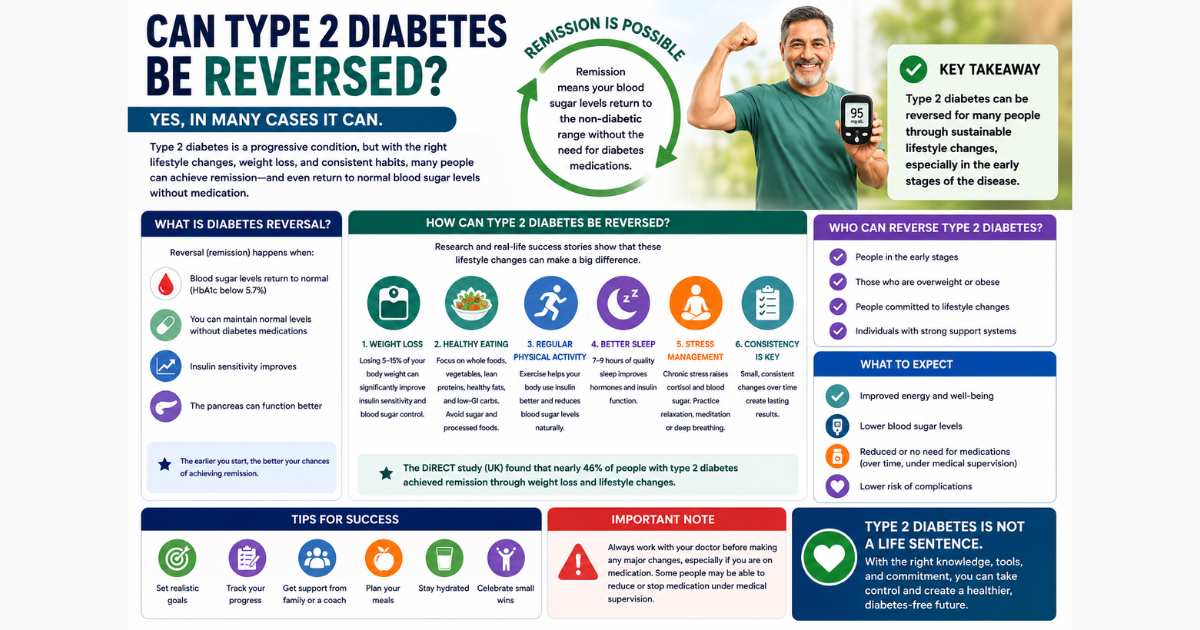
📋 Evidence-Based Guide Can Type 2 Diabetes Be Reversed? ⚡ Quick Answer Yes – type 2 diabetes can be reversed. More precisely, it can be put into remission: a state in which blood sugar returns to the normal range without diabetes medication and stays there. This is not a cure – the underlying susceptibility remains, and lifestyle consistency is required to stay in remission. But remission is a clinically validated, achievable goal for many people with type 2 diabetes, particularly those who act early and commit to sustained change. This is the question that matters most to millions of people living with type 2 diabetes – and for a long time, the medical consensus answered it with a firm no. Type 2 diabetes was considered chronic, progressive, and irreversible. Patients were told to manage it, not reverse it. That consensus has changed. A generation of clinical research – led most significantly by the landmark DiRECT trial – has demonstrated, with peer-reviewed evidence, that type 2 diabetes can go into remission. The question has shifted from ‘is it possible?’ to ‘for whom, through what, and for how long?’ This guide answers all of those questions with the evidence behind them. Reversed, Cured, or In Remission – What’s the Difference? The language used to describe this topic matters clinically – and the distinction between reversal, cure, and remission affects what is realistic to expect. Not possible A ‘cure’ would mean the disease is permanently gone – the underlying susceptibility no longer exists and blood sugar would stay normal with no management. No current treatment achieves this. Type 2 diabetes does not have a cure. Informal term ‘Reversed’ is the term most people use informally to describe remission. It has emotional resonance and captures what many people experience. This site uses the term because it reflects how patients think and search, while clarifying below what it means precisely. Clinically validated ‘Remission’ is the clinically correct term. In 2021, four major medical organisations including the American Diabetes Association issued a joint consensus statement defining remission as: an HbA1c below 6.5% for at least three months after stopping all diabetes medication. Remission is not a passive state. It requires the ongoing lifestyle conditions that created it. If those conditions are abandoned – weight regained, diet reverts, physical activity stops – blood sugar is likely to rise again. Maintaining remission is part of achieving it. What the Science Says: The DiRECT Trial and the Evidence for Remission The most important clinical evidence for type 2 diabetes remission comes from the Diabetes Remission Clinical Trial – DiRECT – conducted by Professors Roy Taylor (Newcastle University) and Mike Lean (University of Glasgow), funded by Diabetes UK. DiRECT enrolled 306 adults diagnosed with type 2 diabetes within the previous six years. Half received standard diabetes care. The other half received a structured very low-calorie dietary programme (825-850 calories per day for 12 weeks, followed by gradual reintroduction of food and ongoing weight maintenance support). DiRECT Trial Milestone Result Remission at Year 1 46% of intervention participants – almost half Remission at Year 2 36% of all participants; 75% of year-1 remission group sustained remission Remission at Year 5 26% of those in remission at year 2 still in remission at year 5 Weight loss >10kg threshold 75% of participants in remission at both year 1 and year 2 Weight loss >15kg threshold Over 80% of participants in remission at both year 1 and year 2 Serious medical events Halved in the intervention group over 5 years vs control group Beta cell recovery (2019) Full recovery of beta cell functional mass confirmed in those achieving 2-year remission These results, published in The Lancet and replicated in subsequent studies, fundamentally changed the scientific consensus. The 2024 extension of DiRECT, extending follow-up to five years, confirmed that remission can be sustained long-term in those who maintain weight loss – while also showing that weight regain is common and frequently leads to relapse. Why Weight Loss Reverses Type 2 Diabetes: The Twin Cycle Hypothesis Professor Roy Taylor identified the mechanism through which type 2 diabetes develops – and through which it can be reversed – in what he calls the ‘twin cycle hypothesis’: Excess caloric intake over years leads to fat accumulating in the liver beyond its normal capacity. Fat-saturated liver cells resist insulin and overproduce glucose – raising blood sugar. Excess fat then spills over from the liver into the pancreas. Fat in the pancreas damages the insulin-producing beta cells, causing insulin secretion to fall below what the body needs. The result: both too much glucose production and too little insulin – the defining feature of type 2 diabetes. The reversal pathway follows the same logic in reverse: significant weight loss removes ectopic fat from the liver and pancreas. Beta cell function begins to recover. Insulin production improves. Blood sugar normalises. Remission follows. A 2019 sub-study of DiRECT found that in people who achieved two-year remission, beta cell functional mass had fully recovered – suggesting the damage is not permanent when addressed early enough. How to Reverse Type 2 Diabetes: The Evidence-Based Pathways There is no single way to achieve type 2 diabetes remission. The evidence supports several distinct pathways – each with different mechanisms, different remission rates, and different suitability depending on a person’s circumstances. Pathway How It Works Evidence Best For Very low-calorie diet (800-850 kcal/day) Rapid fat removal from liver and pancreas restores beta cell function ~46% remission at year 1 (DiRECT) Recently diagnosed, BMI over 27 Low-carbohydrate diet Reduces blood glucose demand, lowers insulin resistance, promotes fat loss Strong HbA1c improvement evidence Those preferring sustainable food changes Mediterranean diet Anti-inflammatory, high-fibre; improves insulin sensitivity over time Best for prevention and early-stage Long-term maintenance Bariatric surgery Dramatic weight loss + hormonal changes restore insulin function 60-80%+ long-term remission Severe obesity (BMI 35+) with established T2D GLP-1 agonists (e.g., semaglutide) Weight loss + direct metabolic improvement; remission during treatment 44% in some RCTs with calorie restriction With clinical supervision

Can Type 2 Diabetes Be Reversed? Read More »

type 1 vs type 2 diabetes

Type 1 vs Type 2 Diabetes

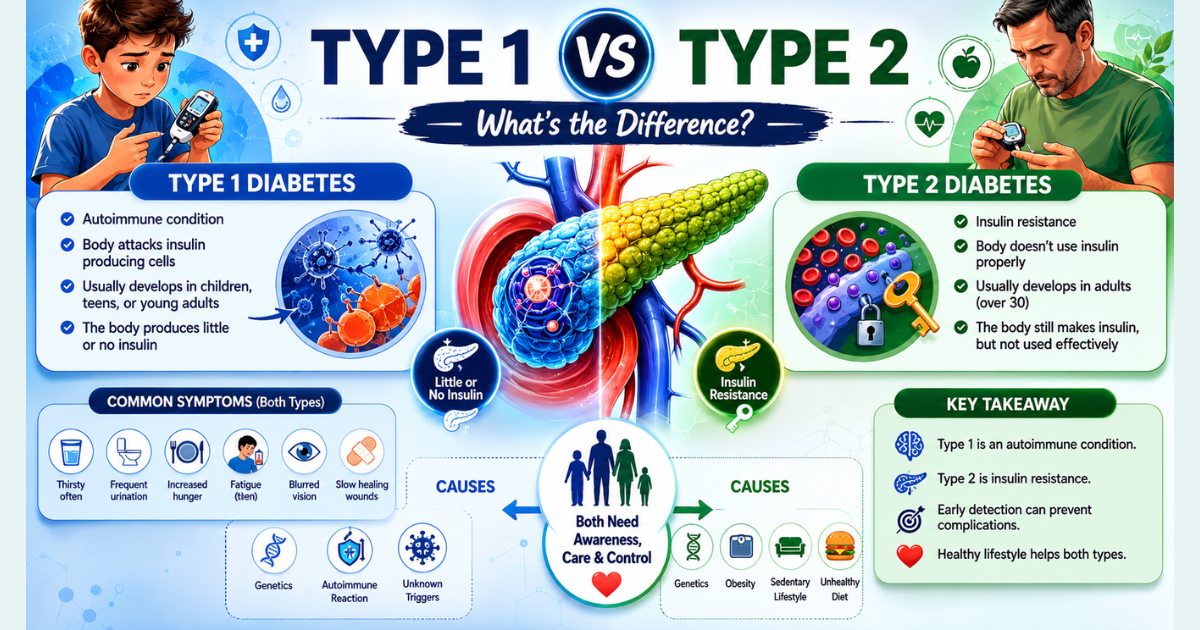
📋 Comprehensive Comparison Type 1 vs Type 2 Diabetes: Differences, Symptoms & How to Tell Quick Answer Type 1 and Type 2 diabetes both cause elevated blood sugar — but they are fundamentally different diseases. Type 1 is an autoimmune condition in which the immune system destroys the insulin-producing cells of the pancreas, leaving the body unable to produce insulin at all. Type 2 is a metabolic condition in which the body produces insulin but cannot use it effectively due to insulin resistance. Type 1 requires lifelong insulin therapy and cannot be reversed. Type 2 is strongly influenced by lifestyle and can often be put into remission through sustained dietary change and weight loss. 5–10% of all diabetes is Type 1 90–95% of all diabetes is Type 2 ~50% Type 2 remission rate (DiRECT) LADA often misdiagnosed as Type 2 When a doctor says “you have diabetes,” those three words can feel like a wall. But which side of the wall you are standing on matters enormously — because type 1 and type 2 diabetes are not the same condition, do not develop for the same reasons, and are not managed in the same way. They share a name. They share the symptom of elevated blood sugar. Beyond that, they diverge at the most fundamental level — in cause, mechanism, onset, treatment, and long-term prognosis. This guide explains every meaningful difference between type 1 and type 2 diabetes, what causes each, how they feel, how they are diagnosed, which is more serious, and what life with each condition actually requires. What Is Type 1 Diabetes? Type 1 diabetes is an autoimmune disease. The body’s immune system — which normally defends against viruses and bacteria — mistakenly identifies the insulin-producing beta cells in the pancreas as a threat and destroys them. Once the beta cells are destroyed, the pancreas produces little or no insulin. Since insulin is the hormone that moves glucose from the bloodstream into cells where it is used for energy, the absence of insulin causes blood glucose to rise rapidly. Without daily insulin replacement, the condition is fatal. Type 1 diabetes affects approximately 5 to 10 percent of all people with diabetes. It most commonly develops in childhood or adolescence, but it can appear at any age — including in adults in their 30s, 40s, and beyond. Its onset is typically rapid, producing dramatic symptoms within days or weeks. One fact that cannot be overstated: type 1 diabetes is not caused by diet, weight, or lifestyle. The immune system destroys the beta cells regardless of what a person eats or how active they are. This misconception causes significant and unnecessary harm — particularly to children and young adults who face stigma rooted in a misunderstanding of their condition. → What Is Type 1 Diabetes? Causes, Symptoms & Living With the Condition What Is Type 2 Diabetes? Type 2 diabetes is a metabolic condition characterised by insulin resistance. The body continues to produce insulin — at least initially — but the cells of the muscles, liver, and fat tissue no longer respond to it effectively. Glucose builds up in the bloodstream instead of entering the cells where it is needed. As insulin resistance worsens, the pancreas compensates by producing more insulin. Over years, this sustained overwork begins to exhaust the insulin-producing beta cells. Eventually, the pancreas can no longer produce enough insulin to keep blood sugar in a safe range — even in large quantities. Type 2 diabetes accounts for approximately 90 to 95 percent of all diabetes cases worldwide. It develops gradually, often over years, and its onset is slow enough that many people live with it for a decade without a diagnosis. It is strongly linked to lifestyle factors — diet, physical activity, body weight, sleep, and stress — but genetics also plays a meaningful role in determining who is susceptible. Crucially, type 2 diabetes is not caused by an autoimmune attack. The beta cells are not being destroyed — they are being overworked. This distinction is what makes type 2 reversible in a way that type 1 currently is not. → What Is Type 2 Diabetes? Symptoms, Causes, Treatment & Reversal ype 1 vs Type 2 Diabetes: Side-by-Side Comparison Chart Feature Type 1 Diabetes Type 2 Diabetes Cause Autoimmune destruction of beta cells Insulin resistance + beta cell decline Insulin production None (or near zero) Reduced or ineffectively used Onset speed Rapid — days to weeks Gradual — months to years Typical age at diagnosis Childhood, teens, young adults Adults over 35 (increasingly younger) Body weight link Usually normal weight Often (not always) overweight Lifestyle link None — not caused by lifestyle Strong — diet, activity, weight are major drivers Genetic component Present but complex Strong — family history significantly increases risk Insulin required Always, from day one Sometimes — in later stages or if other treatments fail Can it be reversed? No Yes — remission is possible for many people Percentage of all diabetes 5–10% 90–95% Primary treatment Insulin therapy + carb management Lifestyle change + oral medications + sometimes insulin Causes: What Triggers Each Type? What Causes Type 1 Diabetes? The precise trigger for the autoimmune attack in type 1 diabetes remains one of medicine’s open questions. What is established is that specific genetic variants — particularly in the HLA (human leukocyte antigen) region of the genome — create susceptibility. Having a parent or sibling with type 1 diabetes raises the lifetime risk from roughly 0.4 percent in the general population to around 5 to 10 percent. Environmental factors are believed to initiate the autoimmune response in genetically susceptible individuals. Certain viral infections — including enteroviruses — are under investigation as potential triggers. But no single cause has been definitively identified, and the condition cannot be predicted or prevented with current knowledge. What type 1 diabetes is not caused by: sugar consumption, body weight, inactivity, or any personal behaviour. The immune system’s attack on the beta cells happens independently of all of these. What Causes Type

Type 1 vs Type 2 Diabetes Read More »

Illustration representing Type 2 Diabetes - symptoms, causes and management

Type 2 Diabetes

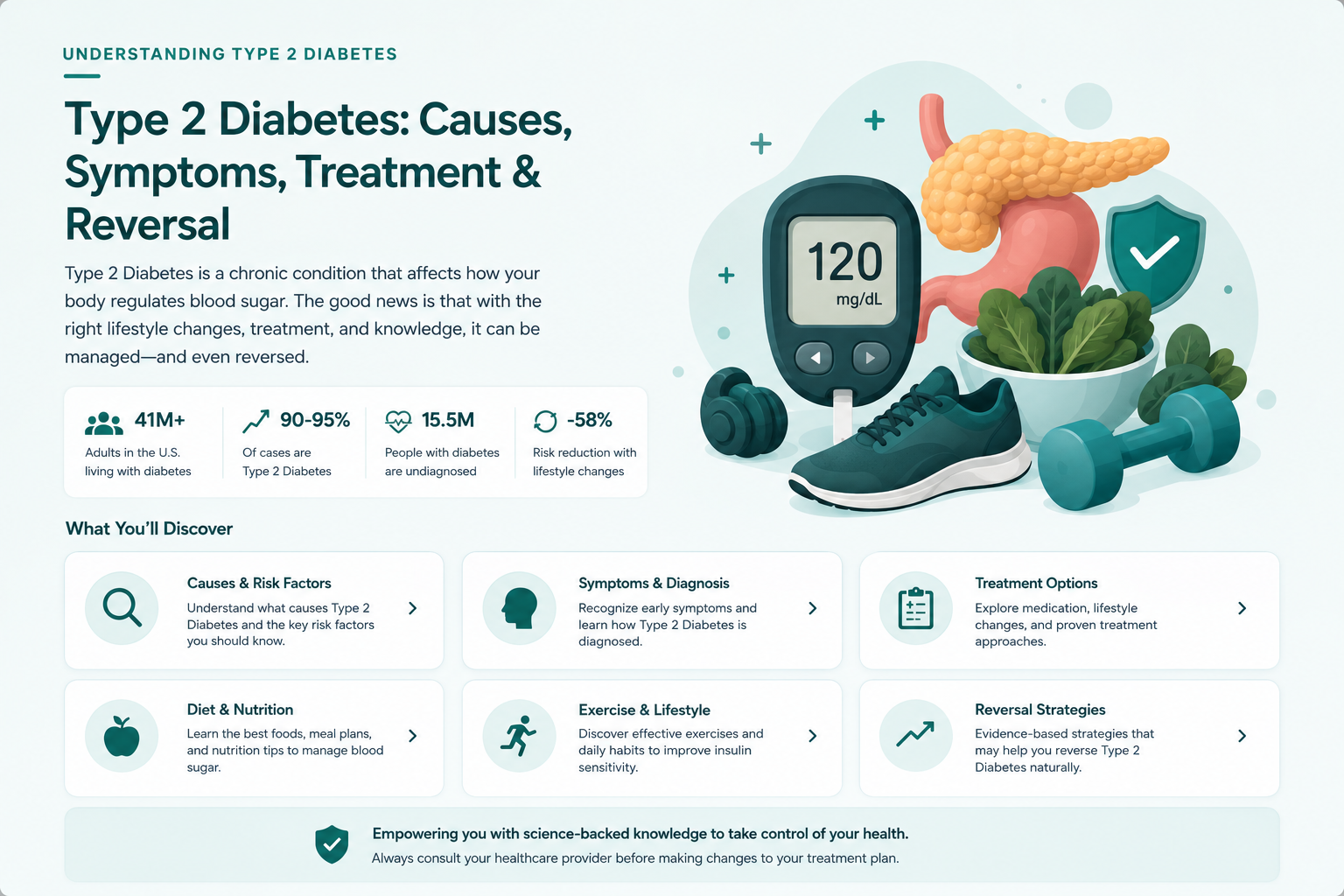
📋 Comprehensive Guide Type 2 Diabetes: Symptoms, Causes, Treatment & Reversal ⚡ Quick Answer Type 2 diabetes is a chronic metabolic condition in which the body either does not produce enough insulin or cannot use it effectively, causing blood sugar levels to rise. It develops gradually, is strongly linked to lifestyle and genetics, and — unlike Type 1 — can often be managed and in many cases reversed through diet, exercise, and sustainable lifestyle changes. 40.1M Americans living with diabetes (CDC, 2026) 90–95% of all diabetes cases are Type 2 (CDC) 115.2M American adults have prediabetes (CDC, 2026) ~50% achieved remission in DiRECT trial Type 2 diabetes is not a single moment. It does not arrive overnight. It builds quietly — through years of elevated blood sugar, a pancreas working harder than it should, and cells that have slowly stopped listening to insulin’s signals. It is also the most common form of diabetes, affecting hundreds of millions of people worldwide. In the United States alone, more than 38 million people are living with diabetes, and the vast majority have Type 2. Millions more are in the prediabetes stage and do not yet know it. But here is what matters most: Type 2 diabetes is not a sentence. It is a condition that responds — often dramatically — to informed action. Understanding what it is, why it develops, and what you can do about it is where that action begins. What Is Type 2 Diabetes? Type 2 diabetes is a metabolic disorder in which the body’s cells become resistant to insulin — the hormone responsible for moving glucose from the bloodstream into the cells where it is used for energy. When cells resist insulin’s signal, glucose builds up in the blood instead of fuelling the body. In the early stages, the pancreas responds by producing more insulin to compensate. Over time, however, this extra demand exhausts the insulin-producing beta cells, and the pancreas can no longer keep blood sugar levels in a safe range. The result is chronically elevated blood glucose — the defining feature of diabetes mellitus type 2. Key distinction: Unlike Type 1 diabetes, which is an autoimmune condition that destroys insulin-producing cells, Type 2 diabetes is primarily a metabolic and lifestyle-driven condition — though genetics also play a meaningful role. This distinction matters because it means the condition is, to a significant degree, within your influence. How Does Type 2 Diabetes Develop? Understanding how Type 2 diabetes develops is one of the most empowering pieces of knowledge a person can have — because when you understand the process, you understand exactly where intervention is possible. The Role of Insulin Resistance Insulin resistance is the central mechanism behind Type 2 diabetes. Think of insulin as a key and your cells as doors. In a healthy body, insulin fits the lock perfectly — doors open, glucose enters, energy is produced. In insulin resistance, the locks begin to malfunction. Insulin is still being produced, but the cells no longer respond to it efficiently. The pancreas notices that blood sugar is not clearing as it should, so it produces more insulin. For a while, this extra insulin keeps blood sugar in a manageable range. But the underlying resistance continues to worsen if the root causes are not addressed. Insulin resistance does not appear suddenly. It develops over months and years, driven by excess visceral fat, chronic inactivity, high consumption of refined carbohydrates, poor sleep, and chronic stress — all of which impair the body’s metabolic signalling. To understand insulin resistance in depth — including its symptoms, causes, and how it is tested — read: What Is Insulin Resistance? How the Pancreas Is Affected Over Time As insulin resistance deepens, the pancreas is placed under increasing strain. The beta cells — the specialised cells in the pancreas that produce insulin — work at an accelerated pace to meet demand. Over years of this sustained overwork, beta cell function begins to decline. When beta cells can no longer compensate, blood sugar levels rise into the prediabetic range, and eventually into the diabetic range. At this stage, the body is no longer producing enough insulin and is not using what it does produce effectively — a double impairment that defines established Type 2 diabetes. Time matters:The earlier intervention begins, the more beta cell function can be preserved. This is one of the most clinically important facts about Type 2 diabetes. Causes of Type 2 Diabetes Type 2 diabetes does not have a single cause. It develops through a combination of lifestyle factors, metabolic dysfunction, and genetic predisposition working together over time. Excess body fat — especially visceral fat Fat stored deep in the abdomen, around the liver and other organs, is metabolically active and directly impairs insulin signalling. This is why waist circumference is considered a meaningful clinical risk indicator — more so than body weight alone. Physical Inactivity Muscle tissue is one of the body’s largest consumers of glucose. Regular movement keeps muscle cells insulin-sensitive. A sedentary lifestyle allows insulin resistance to develop and deepen progressively. Diet high in refined carbohydrates and added Frequent consumption of processed foods, sugary drinks, white bread, and refined grains creates repeated spikes in blood sugar and insulin demand. Over time, this chronic demand accelerates insulin resistance. Genetics & Family History Genetics play a genuine and significant role in Type 2 diabetes. Having a parent or sibling with Type 2 diabetes meaningfully increases a person’s risk. Specific gene variants affect insulin secretion, insulin sensitivity, and how the body processes glucose. Genetics do not make Type 2 diabetes inevitable — but they do lower the threshold at which lifestyle factors trigger the condition. A person with a strong family history must be especially attentive to modifiable risk factors. Ethnicity People of South Asian, African, Hispanic, Middle Eastern, and East Asian descent have a statistically higher risk of developing Type 2 diabetes, often at a lower body weight than individuals of European ancestry. The reasons are partly genetic and partly related to how fat is

Type 2 Diabetes Read More »

prediabetes symptoms causes and how to reverse it

Prediabetes

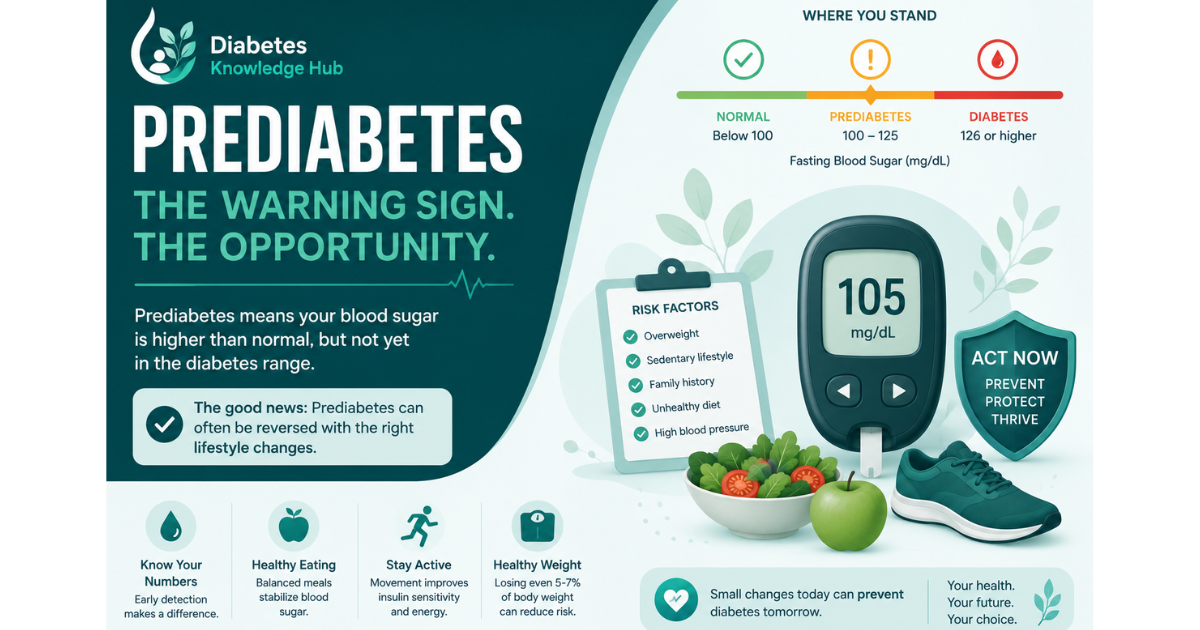
📋 Comprehensive Guide Prediabetes: Symptoms, Causes, A1C Ranges & How to Reverse It ⚡Quick Answer Prediabetes is a metabolic condition in which blood sugar levels are higher than normal but not yet high enough to be classified as Type 2 diabetes. It is a serious warning sign — but also a window of opportunity. With the right changes to diet, exercise, and daily habits, prediabetes can be reversed, and the progression to Type 2 diabetes can be prevented entirely. 98M+ American adults have prediabetes (CDC) ~1 in 3 US adults are affected by prediabetes >80% of people with prediabetes don’t know it 58% risk reduction with lifestyle change (DPP trial) If you have been told you have prediabetes, there is one thing you need to understand before anything else: you still have time. Prediabetes is not Type 2 diabetes. It is the stage before it — a point at which blood sugar has risen above normal but has not yet crossed the diagnostic threshold for diabetes. For most people, that distinction carries an enormous amount of possibility. According to the Centers for Disease Control and Prevention (CDC), more than 98 million American adults — nearly one in three — have prediabetes. Of those, more than 80 percent do not know they have it. They are walking around with elevated blood sugar, no symptoms they can identify, and no awareness that something is quietly building. The people who find out — whether through a routine blood test, a screening prompted by family history, or symptoms they eventually recognised — have been handed something valuable: a reason to act before the window closes. This guide will give you everything you need to understand your condition, interpret your numbers, and take the steps most likely to reverse it. What Is Prediabetes? Prediabetes is a state of metabolic dysfunction in which the body’s cells have begun to resist insulin — the hormone responsible for moving glucose from the bloodstream into cells where it is used for energy. As cells become less responsive to insulin, blood sugar levels begin to climb above the normal range. At this stage, the pancreas is still working to compensate by producing extra insulin. Blood sugar may be elevated, but it has not yet reached the threshold for a diabetes diagnosis. This is the defining characteristic of prediabetes: the body is under metabolic stress, but it has not yet lost its capacity to respond. The critical insight is that prediabetes is reversible in a way that established Type 2 diabetes is not always. The beta cells of the pancreas are still functioning. Insulin resistance, while present, has not yet progressed to the degree seen in full diabetes. The metabolic damage is real — but it is not permanent. What Causes Prediabetes? Prediabetes does not appear without reason. It develops through a combination of lifestyle factors, metabolic patterns, and genetic predisposition — the same underlying drivers as Type 2 diabetes, at an earlier stage. Insulin resistance is the central mechanism. When cells throughout the body — particularly in muscle, fat, and the liver — stop responding efficiently to insulin, the pancreas produces more to compensate. Over time, this increased demand places stress on the system. Blood sugar rises, and the metabolic trajectory toward Type 2 diabetes begins. Excess body weight, particularly fat stored in the abdomen and around the liver, directly impairs insulin signalling. Visceral fat is metabolically active and promotes a state of chronic low-grade inflammation that worsens insulin resistance. Physical inactivity allows insulin resistance to deepen progressively. Muscle tissue, when active, is one of the most important sites of glucose uptake. A sedentary lifestyle significantly reduces this capacity. Diet high in refined carbohydrates and added sugars creates repeated spikes in blood glucose and insulin demand, accelerating the development of insulin resistance over months and years. Genetics and family history play a meaningful role. Having a parent or sibling with Type 2 diabetes increases the risk of prediabetes substantially. Specific inherited variations affect how the body processes glucose and secretes insulin. Poor sleep and chronic stress elevate cortisol, which raises blood sugar and impairs insulin sensitivity. These are underappreciated contributors that deserve equal attention alongside diet and exercise. Age is a factor — risk increases after 35 — but prediabetes is being diagnosed at younger ages than ever before, including in adolescents, reflecting the impact of changing dietary patterns and rising rates of sedentary behaviour. To understand the mechanism of insulin resistance in depth: What Is Insulin Resistance? Causes, Symptoms & How to Test What Does Prediabetes Feel Like? Recognising the Symptoms This is one of the most important and most misunderstood aspects of prediabetes: most people with prediabetes feel entirely normal. Unlike Type 1 diabetes, which often announces itself dramatically, prediabetes typically develops without obvious symptoms. The body is compensating — the pancreas is working harder, blood sugar is elevated but not catastrophically so — and life feels largely unchanged. When symptoms do appear, they tend to be subtle and easy to attribute to other causes: Persistent fatigue, especially after meals When cells cannot efficiently access glucose, the body is energy-poor despite blood sugar being elevated. Post-meal fatigue — particularly after carbohydrate-heavy meals — is one of the most commonly reported early signals. Increased thirst and more frequent urination As blood sugar rises, the kidneys work harder to filter excess glucose, drawing more fluid with it. This can produce a mild but persistent thirst and slightly more frequent trips to the bathroom. Blurred vision Elevated blood sugar can draw fluid out of the lenses of the eyes, causing temporary changes in focus. This symptom is often noticed only on reflection, as it develops gradually. Darkened skin patches (acanthosis nigricans) Dark, velvety patches of skin — most often appearing on the neck, armpits, elbows, or groin — are a visible sign of elevated insulin levels and insulin resistance. This symptom is clinically significant and warrants investigation. Increased hunger and carbohydrate cravings Poor glucose uptake into cells can trigger frequent hunger signals and intense cravings for

Prediabetes Read More »

Type 1 Diabetes

Type 1 Diabetes

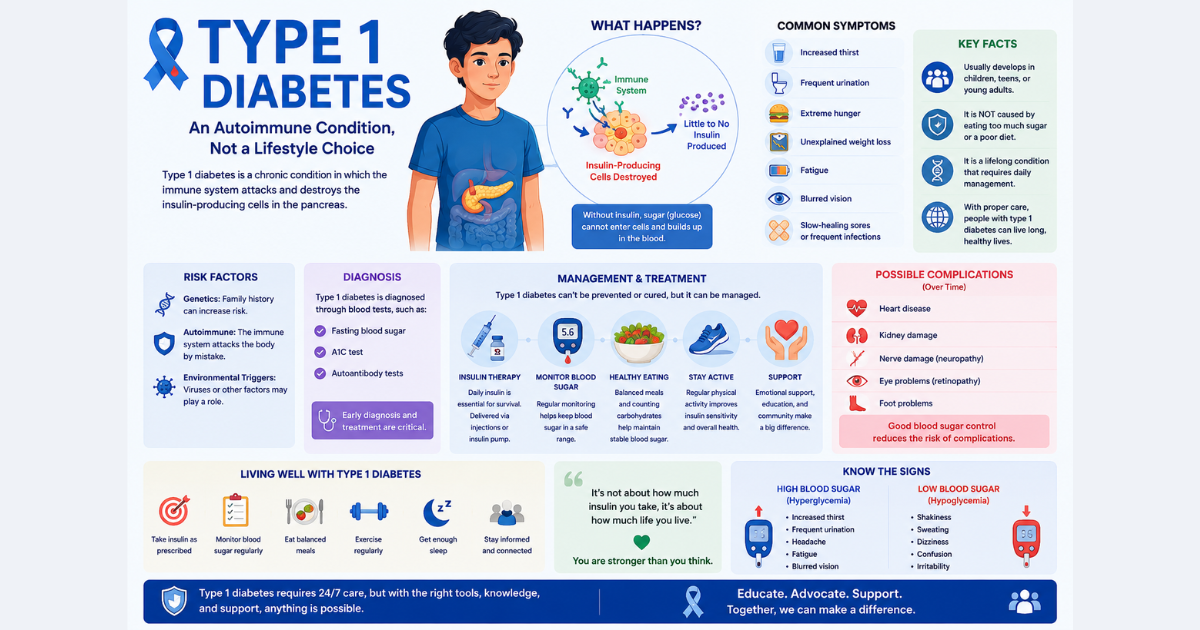
📋 Comprehensive Guide Type 1 Diabetes: Symptoms, Causes, Treatment & Life Expectancy ⚡ Quick Answer Type 1 diabetes is a chronic autoimmune condition in which the immune system destroys the insulin-producing beta cells of the pancreas. Without insulin, blood glucose rises to dangerous levels. Type 1 diabetes requires lifelong insulin therapy and cannot currently be prevented or reversed — but with modern management tools, people with type 1 are living longer, healthier, and more active lives than at any point in the history of the condition. If you or someone you love has just been diagnosed with type 1 diabetes, one of the first questions you may have had — or been asked — is what you did to cause it. The answer is nothing. You caused nothing. Type 1 diabetes is not caused by diet, sugar consumption, inactivity, or lifestyle choices of any kind. It is an autoimmune disease — the immune system attacks the body’s own insulin-producing cells, for reasons that science has not yet fully explained. The stigma attached to this misconception causes real harm, and setting it aside is the first step toward understanding what type 1 diabetes actually is. This guide covers everything you need to know: what causes type 1 diabetes, how to recognise the symptoms, how it is diagnosed and treated, and what life with type 1 actually looks like in 2026. What Is Type 1 Diabetes? Type 1 diabetes is a chronic autoimmune disease. The body’s immune system — which normally protects against infection and illness — mistakenly identifies the insulin-producing beta cells in the pancreas as a threat and destroys them. Insulin is the hormone that moves glucose from the bloodstream into the body’s cells, where it is converted to energy. When the beta cells are destroyed, insulin production falls to near zero. Without insulin, blood glucose accumulates in the bloodstream, eventually reaching life-threatening levels. Type 1 diabetes accounts for approximately 5 to 10 percent of all diabetes cases worldwide. It most commonly develops in children, adolescents, and young adults — but it can appear at any age. Adults diagnosed after the age of 30 are sometimes diagnosed with LADA (Latent Autoimmune Diabetes in Adults), a slower-developing form of the same autoimmune process. The Three Stages of Type 1 Diabetes Type 1 diabetes does not appear instantly. It develops in three distinct stages — and understanding this matters because early identification can now delay the onset of full-blown symptoms: Stage What Is Happening Stage 1 Autoantibodies present in the blood — immune attack has begun. Blood sugar is still normal. No symptoms. Can last months or years. Stage 2 Autoantibodies present AND blood sugar levels become abnormal (dysglycemia). Still no symptoms. This is the stage where teplizumab can be used to delay progression. Stage 3 Blood sugar is high enough to cause symptoms. This is when most people are diagnosed — often through DKA. Insulin therapy begins. Why this matters: Teplizumab (brand name Tzield) is the first FDA-approved medication to delay the progression of type 1 diabetes. It is approved for people in Stage 2 — slowing the immune attack before symptoms appear. Screening for autoantibodies, particularly in people with a family history of type 1, can identify Stage 1 and Stage 2 before any damage is visible. What Causes Type 1 Diabetes? The precise cause of type 1 diabetes remains one of medicine’s open questions. Scientists know what happens — the immune system attacks the beta cells — but not fully why some people’s immune systems do this and others do not. Current evidence points to two interacting factors: genetic predisposition and environmental triggers. Is Type 1 Diabetes Genetic? Yes — genetics play a meaningful role, though the picture is more complex than a simple inheritance pattern. Specific gene variants in the HLA (human leukocyte antigen) region — particularly DR3 and DR4 subtypes — are strongly associated with type 1 diabetes risk. However, having these genes does not guarantee the condition will develop. The clearest evidence of the genetic component comes from twin studies: if one identical twin develops type 1 diabetes, the other has a 30 to 50 percent chance of developing it too. This is significant — but also reveals that genetics alone is not the full story. Other factors must also play a role. Risk by family relationship: 0.4% General population risk — approximately 1 in 250 (0.4%) 4–6% Parent with type 1 diabetes — approximately 1 in 17 to 1 in 25 (4–6%) 5–10% Sibling with type 1 diabetes — approximately 1 in 10 to 1 in 20 (5–10%) 30–50% Identical twin with type 1 diabetes — approximately 30–50% Importantly, most people who develop type 1 diabetes do not have a first-degree relative with the condition. Genetics creates susceptibility — it does not determine outcome. What Triggers Type 1 Diabetes? In people with genetic susceptibility, one or more environmental factors appear to trigger the autoimmune attack. Research has identified several candidates, though none has been conclusively proven as the definitive cause: Viral infections — Enteroviruses, particularly Coxsackievirus B, have the strongest research support as potential triggers. The virus may initiate or accelerate the immune attack in susceptible individuals. Vitamin D deficiency — Lower vitamin D levels have been associated with higher rates of type 1 diabetes in population studies. This may partly explain higher rates of type 1 in northern latitudes. Early dietary factors — Some research suggests that early introduction of cow’s milk proteins, gluten, or the timing of complementary feeding in infancy may play a role, though evidence is not conclusive. Gut microbiome — Emerging research suggests that disruptions to the gut microbiome in early childhood may influence immune system development and type 1 risk. The “hygiene hypothesis” — the theory that reduced early childhood exposure to microbes in industrialised societies has led to more autoimmune conditions — may also contribute to the rising global incidence of type 1 diabetes over recent decades. Type 1 Diabetes Symptoms The symptoms of type 1 diabetes

Type 1 Diabetes Read More »

Insulin Resistance Diet

About diabetes Insulin Resistance Diet Quick Answer An insulin resistance diet focuses on whole foods, fiber-rich carbohydrates, lean protein, and healthy fats while reducing refined sugar and processed foods. The goal is to improve insulin sensitivity, stabilize blood sugar, and support long-term metabolic health. Food choices play a central role in insulin sensitivity, blood sugar regulation, and long-term metabolic health. An effective insulin resistance diet focuses on reducing glucose spikes, improving insulin response, and supporting steady energy levels throughout the day. Rather than relying on extreme restrictions, the goal is to build sustainable eating habits centered around whole foods, balanced meals, fiber-rich carbohydrates, healthy fats, and adequate protein intake. For many people, dietary changes become one of the most practical ways to improve insulin resistance and reduce the risk of prediabetes and type 2 diabetes. What Is an Insulin Resistance Diet? An insulin resistance diet is a way of eating designed to help the body respond more effectively to insulin. The focus is on: stabilizing blood sugar, reducing excessive insulin demand, improving metabolic health, and supporting long-term insulin sensitivity. Most healthy diets for insulin resistance emphasize: minimally processed foods, balanced meals, high fiber intake, lean protein, and reduced refined carbohydrates. What Is the Best Diet for Insulin Resistance? There is no single “perfect” diet for insulin resistance, but several eating patterns consistently support better insulin sensitivity. The best diet for insulin resistance is usually one that: reduces refined carbohydrates, includes high-fiber whole foods, provides adequate protein, and can be maintained long term. Common evidence-supported approaches include: Low-Carb Diet Reducing refined carbohydrates may help lower insulin demand and reduce blood sugar fluctuations. Some people respond well to moderate carbohydrate reduction rather than extremely low-carb approaches. Mediterranean Diet A Mediterranean diet for insulin resistance emphasizes vegetables, olive oil, legumes, fish, nuts, and whole foods while limiting highly processed products. High-Fiber Whole-Food Diet Fiber-rich foods slow glucose absorption and help support stable energy levels and appetite control. The most effective diet is often the one that is balanced, sustainable, and realistic for daily life. Best Foods vs Foods to Limit Best Foods Foods to Limit Vegetables Sugary drinks Fish Candy Nuts and seeds White bread Lentils and beans Pastries Olive oil Processed snacks Berries Sugary cereals Eggs Fast food Foods to Eat With Insulin Resistance Choosing nutrient-dense foods may help improve insulin sensitivity and reduce blood sugar spikes. Lean Protein Sources Eggs Chicken Turkey Fish Greek yogurt Tofu Protein helps support fullness and reduce rapid blood sugar fluctuations. High-Fiber Vegetables Leafy greens Broccoli Cauliflower Bell peppers Zucchini Brussels sprouts Vegetables provide fiber, vitamins, and metabolic support with minimal glucose impact. Healthy Fats Olive oil Avocados Nuts Seeds Fatty fish Healthy fats may support appetite regulation and metabolic health. Fiber-Rich Carbohydrates Oats Lentils Beans Quinoa Sweet potatoes These foods digest more slowly than refined carbohydrates and help stabilize blood sugar. Lower-Sugar Fruits Berries Apples Pears Citrus fruits Whole fruits contain fiber and nutrients that slow sugar absorption. Foods to Avoid With Insulin Resistance Some foods may worsen insulin resistance by increasing glucose spikes, insulin demand, cravings, and inflammation. Sugary Drinks Soda Sweetened coffee drinks Energy drinks Sweet tea Liquid sugar is rapidly absorbed and can sharply increase blood sugar levels. Refined Carbohydrates White bread Pastries Sugary cereals White rice Processed baked goods These foods are quickly digested and may contribute to unstable glucose levels. Ultra-Processed Snacks Chips Candy Packaged desserts Fast food items Ultra-processed foods are often high in refined oils, sugar, and additives. Trans Fats and Highly Processed Oils These fats may negatively affect metabolic health and inflammation. Limiting heavily processed foods can support more stable blood sugar control over time. Low-Carb Diet and Insulin Resistance A low-carb diet for insulin resistance may help reduce insulin demand by lowering the amount of rapidly absorbed carbohydrates in the diet. Potential benefits may include: improved blood sugar stability, reduced glucose spikes, better appetite control, and lower fasting insulin levels. This does not necessarily require an extreme ketogenic approach. Many people benefit from simply reducing: sugary foods, refined grains, and highly processed carbohydrates. Balanced low-carb approaches are often easier to maintain long term. Mediterranean Diet for Insulin Resistance The Mediterranean diet is one of the most widely studied eating patterns for metabolic health. It typically includes: vegetables, olive oil, legumes, fish, nuts, seeds, whole grains, and minimally processed foods. This dietary pattern may support: insulin sensitivity, heart health, inflammation balance, and long-term sustainability. Its flexibility and emphasis on whole foods make it a practical option for many individuals with insulin resistance. Simple Insulin Resistance Diet Plan A healthy insulin resistance diet plan does not need to be overly restrictive. Simple Breakfast Ideas for Insulin Resistance Eggs with spinach Greek yogurt with berries Oatmeal with nuts and seeds Cottage cheese with cucumber Breakfast Eggs with vegetables Greek yogurt with berries and nuts Oatmeal with seeds and cinnamon Lunch Grilled chicken salad with olive oil dressing Lentil soup with vegetables Tuna with mixed greens and avocado Dinner Salmon with roasted vegetables Stir-fried tofu with broccoli Lean protein with quinoa and salad Snack Ideas Nuts Apple slices with peanut butter Boiled eggs Greek yogurt Hummus with vegetables The goal is consistency, balance, and realistic long-term habits. Can Diet Help Reverse Insulin Resistance? For many people, dietary changes can significantly improve insulin sensitivity over time. A balanced diet combined with: regular physical activity, muscle-building exercise, better sleep, stress management, and weight reduction when appropriate may help reduce insulin resistance and improve metabolic markers. However, improvement takes consistency and should not be viewed as an instant or guaranteed process. People who improve their eating habits early often reduce their long-term risk of prediabetes and type 2 diabetes. For a broader explanation of recovery strategies, see: How to reverse insulin resistance naturally Additional Lifestyle Factors That Affect Insulin Resistance Diet is important, but insulin sensitivity is also influenced by daily habits. Important factors include: physical activity, sleep quality, stress levels, muscle mass, and body composition. Combining healthy eating with regular movement

Insulin Resistance Diet Read More »

Exercise

Exercise for Type 2 Diabetes: A Practical Guide to Reclaiming Health Introduction Exercise isn’t just a supportive lifestyle habit—it’s a cornerstone of reversing and managing type 2 diabetes. For millions living with this condition, physical activity holds the power to lower blood sugar, increase insulin sensitivity, and even restore health. But not all exercise is equal. Leading experts like Dr. Jason Fung, Dr. William Davis, Dr. Sten Ekberg, and Dr. Eric Berg agree: certain forms of exercise are particularly effective for reversing insulin resistance and reducing visceral fat, the root cause of metabolic dysfunction. This guide draws from their insights and scientific research to present a targeted, practical roadmap for using exercise to regain control of your health. Why Exercise Matters in Type 2 Diabetes The Root Problem—Insulin Resistance Type 2 diabetes is primarily a disease of insulin resistance, where the body no longer responds efficiently to insulin. Exercise, especially when done consistently, improves insulin sensitivity, allowing glucose to enter cells more effectively and lowering blood sugar naturally. Additional Benefits Reduces belly fat (a key driver of insulin resistance) Increases muscle mass, which helps use more glucose Improves cardiovascular health Enhances mood and energy Helps normalize blood pressure and cholesterol levels 💡 “Exercise is the only prescription that has immediate benefits for glucose control without side effects.” — Dr. Sten Ekberg The Three Most Effective Types of Exercise 1. Resistance Training (Weight Lifting) Most Recommended According to Dr. Jason Fung and Dr. Ben Bikman, building muscle is one of the most powerful ways to reverse insulin resistance. Why? Muscles act as glucose sinks, pulling sugar from the bloodstream. Strength training triggers mitochondrial adaptation and fat burning. It reduces inflammation and boosts testosterone in men (helpful for metabolic function) Recommended Plan: Frequency: 3–4 days/week Exercises: Compound movements (squats, deadlifts, push-ups, rows) Reps: 8–12, with moderate to heavy weights Rest: 1–2 minutes between sets 📌 “If I had to pick only one exercise strategy for reversing type 2 diabetes, I would choose resistance training.” — Dr. Eric Berg 2. Walking – Simple but Powerful Walking is one of the most accessible, low-risk, and effective aerobic exercises. It’s especially helpful after meals, when blood sugar spikes. Benefits: Enhances glucose uptake by muscles Improves heart rate and circulation Lowers postprandial (after-meal) blood sugar Recommended Plan: 30–45 minutes/day Moderate pace (you should be able to talk, but not sing) Ideal time: 30 minutes after meals

Exercise Read More »

Scroll to Top