

Alpha-Lipoic Acid (ALA) and Diabetes — Neuropathy, Oxidative Stress & Metabolic Support
Alpha-lipoic acid (ALA) is a naturally occurring antioxidant found in every cell of the body. Known for its role in energy production, antioxidant regeneration, and nerve protection, ALA has become a widely studied supplement for people with diabetes, neuropathy, insulin resistance, and metabolic stress.
This guide covers:
What ALA is
How it supports insulin sensitivity
Its role in diabetic neuropathy
Dosage and safety
Best supplement options
What Is Alpha-Lipoic Acid (ALA)?
A Universal Antioxidant
ALA is called a “universal antioxidant” because it is both fat-soluble and water-soluble, allowing it to support health in nearly every cell.
It helps:
Reduce oxidative stress
Support energy production in mitochondria
Regenerate other antioxidants like vitamins C and E
Natural vs Supplemental ALA
Small amounts are found in foods such as:
Spinach
Broccoli
Tomatoes
Organ meats
However, the amount in food is low — making supplements the primary source used in research.
ALA and Diabetes — What Research Suggests
Insulin Sensitivity Support
ALA helps improve the way insulin works at the cellular level.
Studies have shown:
Better glucose uptake into cells
Reduced insulin resistance
Improved carbohydrate metabolism
This makes ALA a useful metabolic support supplement.
Blood Sugar Trends
ALA does not act as a diabetes medication, but may help support:
Healthy fasting glucose trends
Reduced oxidative stress from high blood sugar
Better metabolic function during long-term use
Inflammation & Oxidative Stress Balance
Oxidative stress is a major factor in diabetes-related complications.
ALA has been shown to:
Reduce oxidative damage
Support antioxidant systems
Promote cellular repair pathways
ALA for Diabetic Neuropathy
How ALA Supports Nerve Function
Diabetic neuropathy occurs when chronic high glucose damages nerves.
ALA may help by:
Supporting nerve blood flow
Reducing inflammation
Protecting nerve cells from oxidative damage
Improving nerve conduction speed
Evidence from Clinical Trials
Several studies have shown that ALA may:
Reduce burning sensations
Reduce tingling and numbness
Improve nerve discomfort
Support long-term nerve health
These benefits are generally stronger with 300–600 mg/day supplementation.
Neuropathic Pain Relief Potential
Some patients report noticeable improvements in:
Leg nerve pain
Foot burning
Sensory changes
Effects typically appear after 4–12 weeks of consistent use.
Additional Benefits of ALA
Liver Health
ALA may help reduce oxidative stress in the liver and support fat metabolism.
Brain & Cognitive Support
Because ALA crosses the blood-brain barrier, it may support:
Mental clarity
Cognitive performance
Brain energy pathways
Antioxidant Regeneration
ALA helps regenerate:
Vitamin C
Vitamin E
Glutathione
This enhances the entire antioxidant network.
ALA Dosage & Usage
Purpose |
Typical Dosage |
|---|---|
General Metabolic Support
|
300 mg/day
|
Diabetic Neuropathy Support
|
600 mg/day (common research dose)
|
R-ALA vs Regular ALA
R-ALA = naturally occurring, more potent form
ALA = mixed R/S form (more widely available)
R-ALA may offer slightly higher absorption but both are used in studies.
Best Time to Take
Take on an empty stomach OR with a light meal
Avoid taking with high-sugar or high-carb meals
Once daily or split into two doses
Safety & Precautions
ALA is generally considered safe.
Possible Side Effects
Mild nausea
Headache
Stomach discomfort
Rarely: low blood sugar (if combined with medication)
Who Should Be Careful?
Individuals taking diabetes medications
People with thyroid concerns
Pregnant or breastfeeding women
Those with kidney or liver conditions
Medical consultation is recommended for long-term use.
Best Alpha-Lipoic Acid Supplements (U.S. Market)
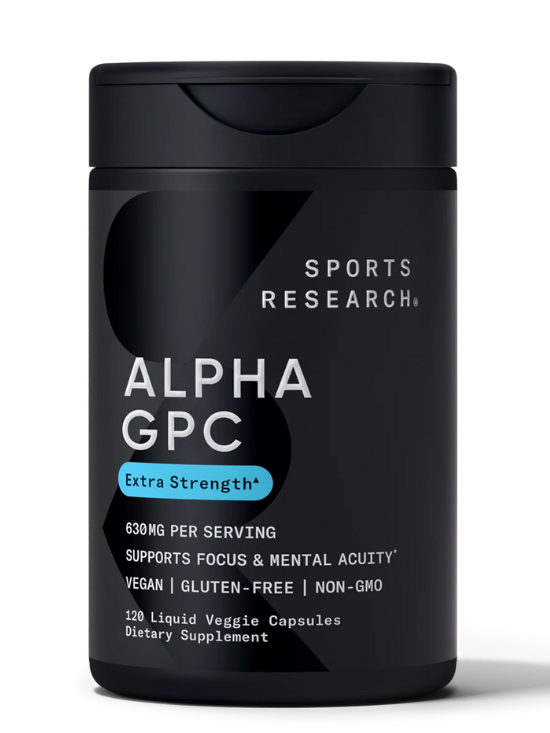
Alpha GPC
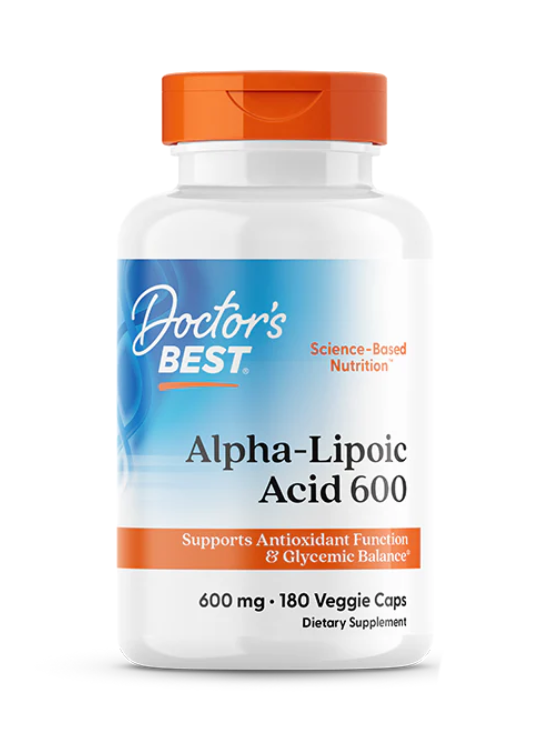
Doctor’s Best Alpha-Lipoic...
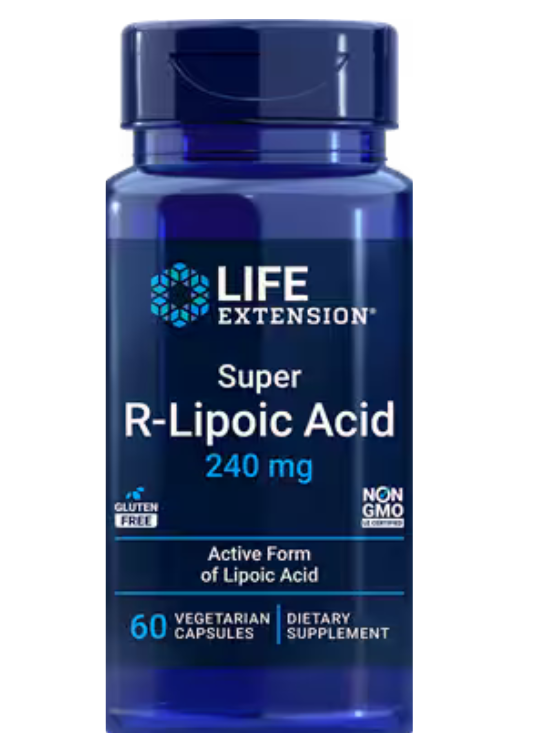
Life Extension Super R-ALA
Conclusion
Alpha-lipoic acid is one of the most versatile antioxidants with significant potential benefits for insulin sensitivity, metabolic balance, inflammation, and especially diabetic neuropathy. While it does not replace medical treatment, it can be a valuable part of a long-term wellness plan when used consistently and responsibly.
Meaningful health improvements come from steady habits, informed choices, and compassionate self-care.
Suggested Medical References
ALA & neuropathy clinical trials
Antioxidant and oxidative stress research
ALA & insulin sensitivity studies
R-ALA absorption studies
FAQs

Research indicates it may support nerve health and reduce neuropathic discomfort.
Most benefits appear after 4–12 weeks of consistent use.
R-ALA has slightly better absorption, but both forms are effective.
It may support insulin sensitivity but is not a diabetes medication.
Yes — they support different pathways — but consult a professional when combining supplements with medication.