Zinc and Diabetes — Insulin Support, Immunity & Metabolic Health
Zinc is an essential trace mineral involved in more than 300 enzymatic reactions in the human body. It supports immunity, cellular repair, wound healing, antioxidant activity, and even insulin function. For individuals managing Type 2 diabetes or metabolic imbalance, zinc plays an especially important role due to its impact on inflammation, oxidative stress, and metabolic pathways.
This guide presents an evidence-based, easy-to-understand overview of zinc’s potential benefits, safety considerations, dosage insights, and its role in supporting people with diabetes.
What Is Zinc?
Zinc is a micronutrient required for immune function, enzyme reactions, protein synthesis, DNA repair, and metabolic regulation. Because the human body does not store large amounts of zinc, it must be consumed regularly through diet or supplementation.
Why the Body Needs Zinc
Zinc is necessary for:
healthy immune response
cellular repair and regeneration
proper enzyme activity
skin and tissue healing
antioxidant protection
hormone and metabolic balance
Zinc also supports structural integrity of proteins and cell membranes, helping the body defend against oxidative stress.
Zinc Deficiency and Metabolic Stress
Zinc deficiency is common in people with metabolic disorders, chronic inflammation, and diets low in mineral-rich foods. Deficiency may contribute to:
impaired immune function
slow wound healing
frequent infections
fatigue
taste or smell changes
increased oxidative stress
Since oxidative damage is a major driver of diabetes-related complications, zinc sufficiency becomes important for long-term health.
Zinc and Diabetes — What Research Suggests
Emerging scientific evidence suggests that zinc may support key metabolic processes that are often strained in individuals with Type 2 diabetes.
Zinc’s Role in Insulin Production and Function
Zinc is involved in:
insulin synthesis
insulin storage in pancreatic beta cells
insulin signaling pathways
Studies suggest that adequate zinc levels may support balanced blood sugar by promoting optimal insulin activity and helping protect pancreatic cells from oxidative damage.
Immune Function and Inflammation Balance
People with diabetes often experience heightened inflammation. Zinc helps maintain:
normal immune responses
reduced pro-inflammatory markers
improved cellular resilience
This is important because chronic inflammation contributes to metabolic dysfunction and insulin resistance.
Oxidative Stress and Antioxidant Support
Zinc functions as a structural component of antioxidant enzymes like superoxide dismutase (SOD). These enzymes help neutralize free radicals and reduce oxidative stress — a major factor in nerve damage, vascular issues, and other diabetes-related complications.
Benefits of Zinc for Metabolic and Cellular Health
Supports Antioxidant Defense
Zinc contributes to antioxidant enzyme function, helping protect cells from oxidative damage that can worsen metabolic disorders.
Promotes Healthy Immune Response
Zinc plays a central role in immune system strength, offering support against infections — which can be especially concerning for individuals with diabetes.
Wound Healing Support
Zinc helps repair skin and tissue, assisting the body in healing from cuts, ulcers, or diabetic skin issues.
Cellular Repair and Enzyme Function
Zinc fuels hundreds of enzyme-driven processes that support metabolism, hormone production, and tissue integrity.
How to Use Zinc Safely
Recommended Dosage
Typical supplemental dosage ranges from 15–30 mg per day, depending on diet and individual needs. Most experts recommend avoiding chronic intake above 40 mg/day unless advised by a healthcare provider.
Best Forms of Zinc
Bioavailable forms include:
zinc picolinate
zinc citrate
zinc gluconate
zinc bisglycinate
Zinc picolinate is often considered one of the best-absorbed forms.
Best Time to Take Zinc
Zinc is best taken:
with food (to avoid nausea)
away from high-calcium supplements
1–2 hours apart from medications to avoid interactions
Best Zinc Supplements (U.S. Market)

Zinc Picolinate
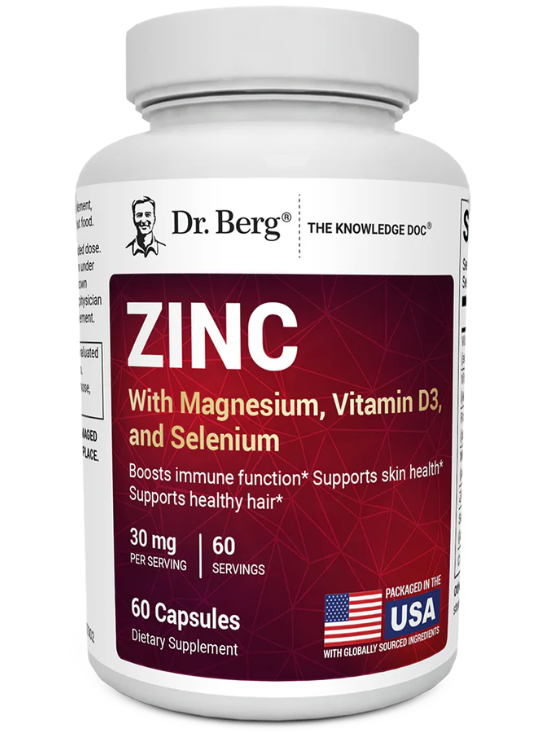
Zinc with Magnesium
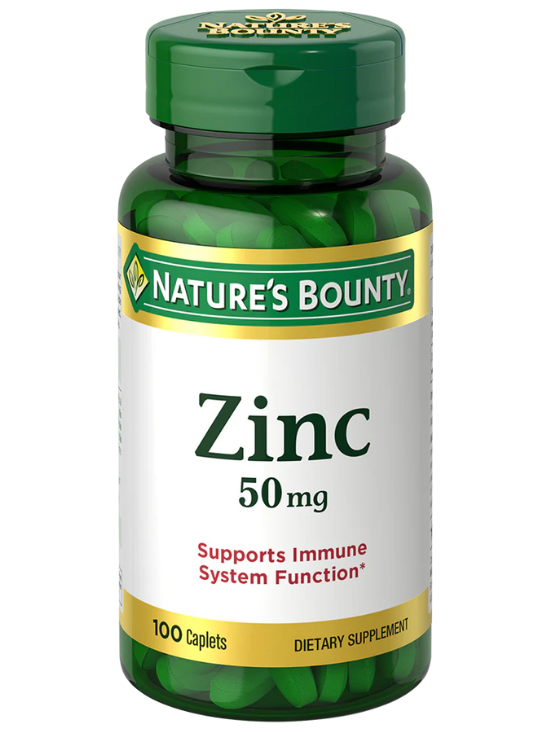
Nature’s Bounty Zinc
Safety, Side Effects & Precautions
Common Side Effects
Zinc is generally safe but may cause:
nausea
stomach upset
metallic taste
interactions with antibiotics (rare)
Taking zinc with food usually minimizes discomfort.
Maintain Copper Balance
Long-term high-dose zinc may reduce copper absorption. Many multivitamins include both zinc and copper for mineral balance.
Who Should Avoid Excess Zinc?
People with:
chronic stomach issues
kidney disorders
copper deficiency
ongoing zinc therapy
should consult a healthcare provider before supplementing.
Conclusion
Zinc is a vital mineral that supports immunity, insulin function, enzyme activity, wound healing, and antioxidant defense. For individuals managing diabetes or metabolic strain, maintaining proper zinc intake may contribute to healthier blood sugar responses, reduced inflammation, and improved cellular balance. While zinc is not a standalone solution, it is an important micronutrient that works synergistically within a comprehensive wellness strategy.
FAQs

Zinc supports insulin production, immune strength, wound healing, and antioxidant defense — all important for metabolic wellness.
Zinc picolinate and zinc glycinate are highly bioavailable and gentle on digestion.
Some studies suggest improved insulin activity in zinc-sufficient individuals, although results vary.
Yes. Zinc deficiency increases oxidative stress and inflammation, which can negatively affect blood sugar control.