
Green Tea Extract and Diabetes — Antioxidants, Metabolism & Inflammation Balance
Green tea extract is one of the most widely researched natural supplements for metabolic wellness. Rich in EGCG (epigallocatechin gallate) and other powerful antioxidants, green tea extract may support insulin sensitivity, inflammation balance, metabolic energy, and cellular protection — key areas closely linked with long-term diabetes management.
In this evidence-based guide, we explore what green tea extract is, how it works, what the research suggests, dosage instructions, safety considerations, and the best supplement brands available in the U.S. market.
What Is Green Tea Extract?
Green tea extract is a concentrated form of green tea leaves (Camellia sinensis), standardized to contain high amounts of antioxidants called catechins, especially EGCG (epigallocatechin gallate).
EGCG and Other Active Catechins
Green tea extract contains several biologically active compounds:
EGCG (Epigallocatechin Gallate) — strongest antioxidant
ECG (Epicatechin Gallate)
EGC (Epigallocatechin)
EC (Epicatechin)
EGCG is the key compound often used in research for metabolic and cellular health.
How Green Tea Extract Is Made
Green tea extract is produced by:
Drying green tea leaves
Extracting active compounds
Concentrating EGCG and catechins
Creating capsules or standardized powders
This results in a supplement far more potent than regular brewed tea.
Green Tea vs. Green Tea Extract — What’s Stronger?
1 cup of green tea: ~50–100 mg catechins
1 capsule of extract: 300–500 mg EGCG equivalent
Extract is significantly more concentrated and provides consistent dosage.
Green Tea Extract and Diabetes — What Research Suggests
Green tea extract does not treat diabetes, but research suggests it may support major metabolic pathways affected in individuals with Type 2 diabetes.
Insulin Sensitivity Support
EGCG may help support:
more efficient glucose uptake
better insulin receptor activity
reduction in inflammation-related insulin resistance
This naturally supports metabolic balance.
Blood Sugar Metabolism
Studies suggest green tea extract may support healthier:
fasting glucose trends
post-meal blood sugar balance
metabolic flexibility
This benefit is linked to the antioxidant and anti-inflammatory effects of catechins.
Inflammation Reduction
Chronic inflammation is a major contributing factor in metabolic imbalance.
Green tea extract may help:
reduce inflammatory cytokines
support a balanced immune response
protect cells from metabolic stress
Antioxidant Protection (Polyphenols)
Green tea polyphenols are powerful antioxidants that help protect cells from oxidative stress — a significant factor in long-term metabolic challenges.
Benefits of Green Tea Extract for Metabolic Health
Metabolism and Energy Support
Green tea extract may help:
support healthy metabolic rate
encourage energy production
promote fat oxidation
This makes it useful for people aiming to maintain a healthy weight.
Weight Management Support
Some studies suggest that EGCG may support:
reduced abdominal fat
healthier body composition
improved metabolic efficiency
These effects are most noticeable when combined with balanced diet and movement.
Heart and Vascular Support
Green tea extract’s antioxidants may help support:
vascular function
normal blood pressure trends
cholesterol balance
Liver and Cellular Support
The liver plays a key role in metabolism.
Green tea catechins may help protect liver cells from oxidative stress when used appropriately.
How to Use Green Tea Extract
Effective Dose (300–500 mg EGCG Daily)
Purpose |
Typical Daily Dose |
|---|---|
green tea extract
|
250–500 mg/day
|
Standardized
|
50–70% EGCG
|
Higher doses should be taken only under professional guidance.
Caffeine-Free vs. Caffeinated Extract
Caffeinated extract: slight metabolic boost
Decaffeinated extract: better for sensitive individuals
Most diabetes-support supplements use decaffeinated extract.
Best Time to Take Green Tea Extract
For comfort and better absorption:
Take with a meal
Avoid taking high doses on an empty stomach
Morning or early afternoon is ideal
Best Green Tea Extract Supplements (U.S. Market)

Sports Research Green Tea Extract
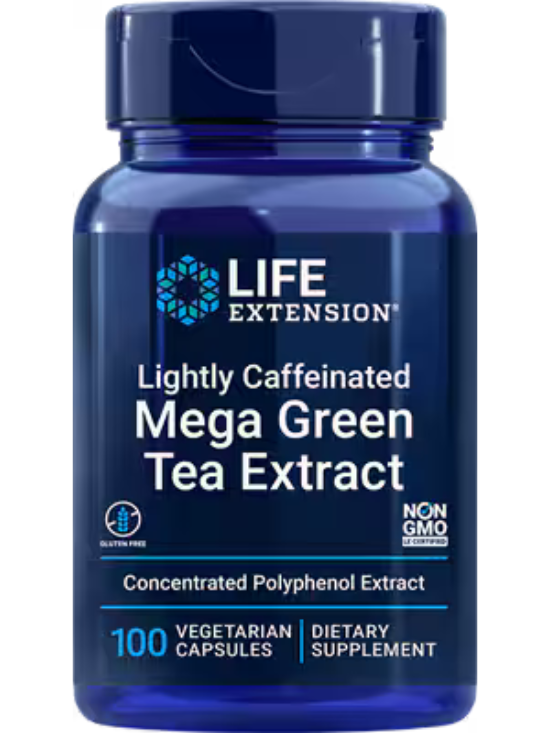
Life Extension Green Tea Elite®
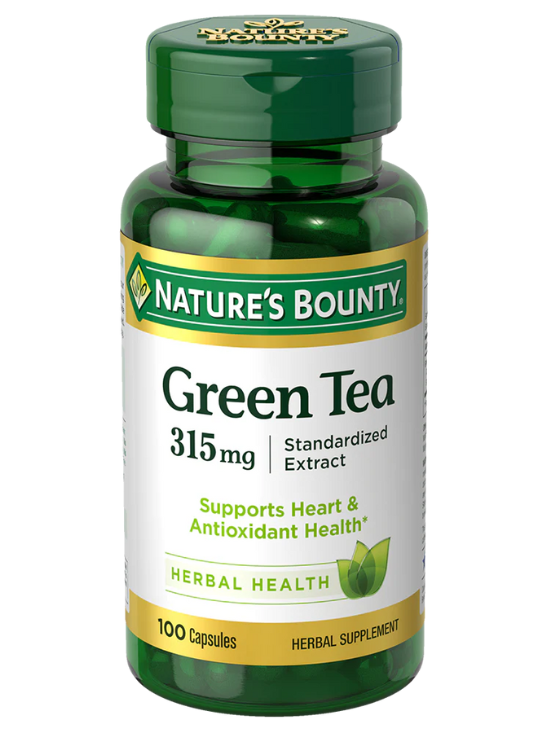
Nature’s Bounty Green Tea Extract
Look for supplements that:
specify EGCG content
are decaffeinated (if preferred)
use third-party testing
contain minimal fillers
Safety & Precautions
Green tea extract is generally safe, but higher doses require attention.
Possible Side Effects
mild stomach discomfort
nausea with high doses
increased alertness (if caffeinated)
Liver Safety Considerations
Rare cases of liver strain have been reported at very high doses, especially on an empty stomach.
To avoid this:
choose moderate doses
take with food
avoid mega-dose “fat burner” formulas
Who Should Avoid High Doses
Consult a doctor if you:
have liver conditions
are pregnant or breastfeeding
take blood thinners
are highly sensitive to caffeine
Green tea extract should not replace diabetes medications.
Conclusion
Green tea extract is a powerful botanical rich in antioxidants and EGCG, offering potential support for metabolic wellness, inflammation balance, and healthy insulin function. While it does not treat diabetes, research suggests that green tea extract may be a helpful addition to a long-term, balanced wellness routine when used consistently and responsibly.
It is safe, well-studied, and widely used — making it a valuable part of your supplement knowledge base.
FAQs

Research suggests it may support metabolic and inflammatory balance.
Yes — at standard doses and taken with food.
Common doses are 300–500 mg/day.
Extract is much stronger and more consistent.
Some research indicates it may support healthy metabolism.