
Curcumin and Diabetes — Inflammation Control, Insulin Sensitivity & Metabolic Health
Curcumin — the active compound found in turmeric — is one of the most researched natural substances in the world. Known for its powerful anti-inflammatory and antioxidant properties, curcumin has gained major attention for its potential to support blood sugar balance, insulin sensitivity, heart health, and nerve protection in individuals living with diabetes.
This comprehensive guide explains how curcumin works, what the research says, recommended doses, safety, and the best supplements to consider.
What Is Curcumin?
Curcumin is the primary bioactive compound in turmeric root (Curcuma longa).
It belongs to a group of compounds called curcuminoids, which are responsible for the bright yellow color and therapeutic properties of turmeric.
Turmeric vs. Curcumin — What’s the Difference?
Turmeric powder contains only 2–5% curcumin.
Curcumin extract supplements contain 95% curcuminoids, making them much more potent.
This is why most studies use curcumin extract, not regular turmeric powder.
Bioavailability — Why Piperine Matters
Curcumin is poorly absorbed by the body on its own.
Most effective supplements include:
Piperine (black pepper extract) → boosts absorption up to 20x
Phytosome technology (e.g., Meriva®) → highly bioavailable
Liposomal curcumin → fast absorption
Choosing a high-absorption form is key.
Curcuminoids — The Active Compounds
Curcumin consists of three major curcuminoids:
Curcumin
Demethoxycurcumin
Bisdemethoxycurcumin
These compounds help reduce inflammation and oxidative stress — core issues in diabetes.
Curcumin and Diabetes — What Research Suggests
Curcumin does not cure diabetes, but research indicates meaningful metabolic support.
Insulin Sensitivity Support
Studies suggest that curcumin may:
Improve insulin receptor function
Support glucose uptake
Reduce inflammation that interferes with insulin signaling
This can support healthier metabolic function over time.
Blood Sugar Trends
Some research shows curcumin may help maintain stable fasting glucose levels by reducing oxidative stress and improving cell metabolism.
Inflammation Control
Diabetes is strongly linked with chronic inflammation.
Curcumin helps reduce inflammatory cytokines such as:
NF-κB
TNF-α
IL-6
Lower inflammation = better metabolic health.
Oxidative Stress Reduction
Curcumin is one of the most powerful natural antioxidants.
It helps:
Protect cells from oxidative damage
Reduce metabolic stress
Support long-term cellular health
This is especially useful for people with long-term diabetes.
Curcumin for Diabetes-Related Complications
Curcumin’s benefits extend beyond basic metabolism.
Heart & Vascular Support
Diabetes increases the risk of heart disease.
Curcumin may help support:
Healthy blood pressure trends
Reduced arterial inflammation
Better endothelial (blood vessel) function
Neuropathy and Nerve Health
Nerve discomfort in diabetes is caused by inflammation + oxidative damage.
Curcumin may support:
Reduced nerve inflammation
Better nerve cell protection
Improved long-term nerve comfort
Kidney & Liver Support
Curcumin may help protect organs from oxidative stress — especially the kidneys and liver, which are affected by long-term diabetes.
Curcumin Dosage & How to Use
Most research-grade curcumin extracts use doses around:
Use Case |
Curcumin Extract (95% Curcuminoids) |
|---|---|
General anti-inflammatory & metabolic support
|
500–1000 mg per day
|
Higher doses are rarely needed and should only be used under professional guidance, especially when combining with medications.
With Piperine vs. Without Piperine
With piperine → higher absorption
Phytosome (Meriva®) → best absorption
Liposomal curcumin → fastest absorption
Avoid regular turmeric powder for therapeutic use — the curcumin content is too low.
Best Time to Take Curcumin
Take with a meal containing healthy fats for better absorption.
Best Curcumin Supplements (U.S. Market)
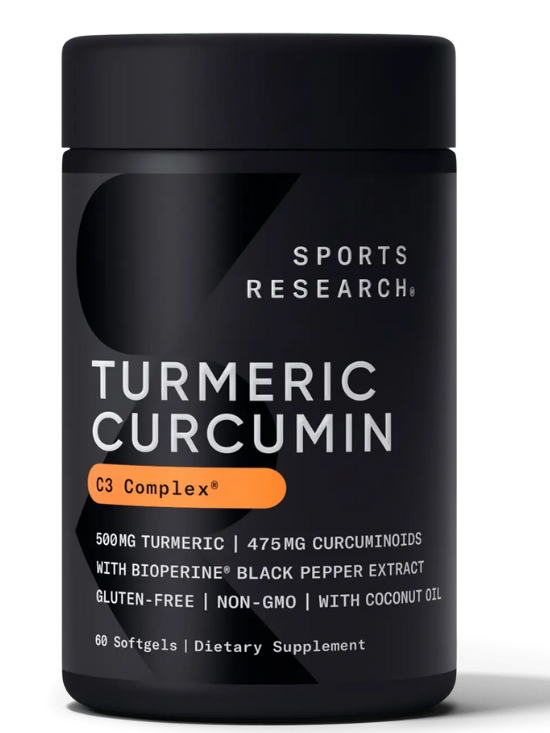
Sports Research Curcumin C3 Complex®
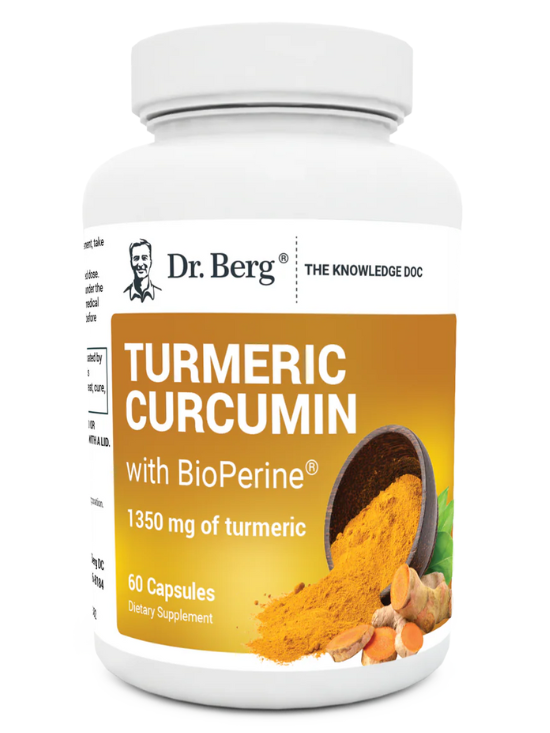
Turmeric Curcumin with BioPerine
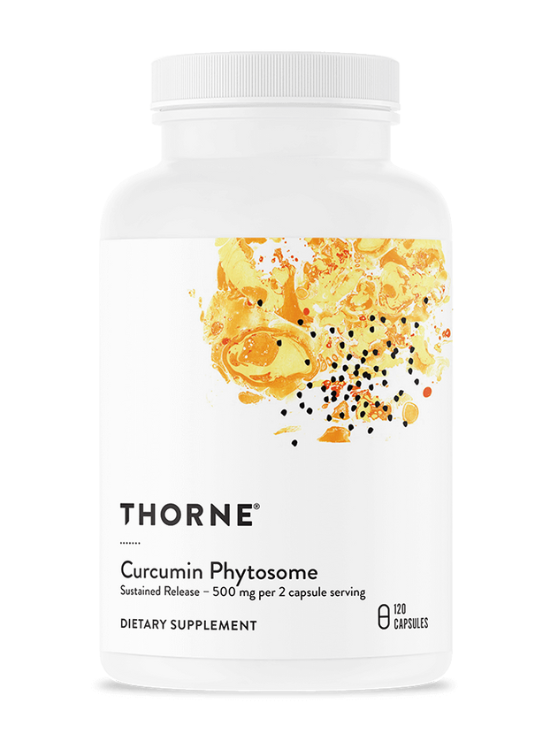
Thorne Meriva Curcumin Phytosome
Choose supplements that:
contain 95% curcuminoids
include black pepper (BioPerine®) or phytosome
are third-party tested
Safety & Precautions
Curcumin is generally safe for daily use.
Possible Side Effects
mild stomach discomfort
nausea (rare)
loose stools (higher doses)
Who Should Be Careful?
Consult a doctor if you:
take blood-thinning medications
have gallbladder disease
are pregnant or breastfeeding
Curcumin is not a replacement for diabetes medications.
Conclusion
Curcumin is one of the most powerful natural anti-inflammatory and antioxidant compounds. For people with diabetes, it may support metabolic balance, improve insulin sensitivity, reduce inflammation, and protect vital organs. While not a treatment for diabetes, curcumin can be an effective addition to a long-term wellness routine when used consistently and responsibly.
FAQs

Research suggests curcumin may support insulin sensitivity and inflammation control.
It may help maintain healthier glucose trends but does not replace medication.
Curcumin extract is 20–40x stronger because turmeric contains very little curcumin.
Most benefits appear after 4–8 weeks of consistent use.
Yes — piperine greatly improves absorption.