
CoQ10 and Diabetes — Heart Health, Energy & Insulin Support
Coenzyme Q10 (CoQ10) is a natural antioxidant found in every cell of the human body. It plays a vital role in energy production, heart function, and protection against oxidative stress — all of which are especially important for people living with diabetes.
This guide provides a clear, research-based look at how CoQ10 supports metabolic balance, heart health, nerve function, and overall wellness.
What Is CoQ10?
CoQ10 is an essential molecule used by the body to produce energy (ATP) inside the mitochondria — the “powerhouses” of the cells.
Ubiquinone vs. Ubiquinol
CoQ10 exists in two forms:
Ubiquinone — the oxidized form
Ubiquinol — the active antioxidant form with higher absorption
Both forms are useful, but ubiquinol is often better absorbed in older adults or people with metabolic stress.
Role in Cellular Energy (ATP Production)
CoQ10 helps convert nutrients into usable cellular energy.
This makes it essential for organs with high energy demands:
Heart
Brain
Nerves
Muscles
Antioxidant Power
CoQ10 also works as a powerful antioxidant, helping reduce:
oxidative stress
free radical damage
cellular inflammation
These effects are especially relevant for diabetes management.
CoQ10 and Diabetes — What Research Suggests
Research on “CoQ10 and diabetes” shows promising metabolic and cardiovascular benefits.
Insulin Sensitivity & Glucose Uptake
Some studies suggest that CoQ10 may help:
improve insulin sensitivity
enhance glucose uptake into cells
support overall metabolic function
While it is not a diabetes medication, its metabolic support can be meaningful.
Inflammation & Oxidative Stress Reduction
Chronic inflammation is a key factor in diabetes progression.
CoQ10 helps:
reduce inflammatory markers
protect cells from oxidative damage
support healthier metabolic pathways
Mitochondrial Support
Because diabetes increases oxidative stress on mitochondria, CoQ10 may support:
healthier mitochondrial function
more stable energy levels
reduced cellular fatigue
CoQ10 and Heart Health (Critical for Diabetics)
Heart disease is one of the most serious long-term complications of diabetes.
CoQ10 plays a meaningful role in supporting cardiovascular health.
Statins and CoQ10 Depletion
Many diabetic patients use statin medications for cholesterol.
Statins lower CoQ10 levels in the body.
Supplementing CoQ10 may help restore these levels.
Blood Pressure & Vascular Support
CoQ10 may help support:
normal blood pressure trends
vascular flexibility
energy supply to heart muscle cells
Heart Muscle Energy Production
Because the heart requires constant energy, CoQ10 contributes directly to ATP production — supporting overall heart performance.
CoQ10 for Neuropathy
Diabetic neuropathy is strongly linked to oxidative stress.
Nerve Oxidative Stress Protection
CoQ10 may help reduce nerve-related oxidative damage, supporting:
nerve function
nerve comfort
long-term nerve health
ALA + CoQ10 Combination
CoQ10 is often paired with Alpha-Lipoic Acid (ALA) because both:
target oxidative stress
support nerve function
assist metabolic health
This combination is popular in supplement protocols.
CoQ10 Dosage & Usage
Purpose |
Typical Dosage |
|---|---|
General Metabolic Support
|
100–150 mg/day
|
Heart health (especially with statins)
|
200–300 mg/day
|
Diabetic Support (Research Ranges)
|
100–300 mg/day
|
Ubiquinol vs. Ubiquinone
Ubiquinol → higher absorption, ideal for adults 40+
Ubiquinone → effective and more budget-friendly
Both are safe and widely studied.
Best Chromium Picolinate Supplements (U.S. Market)
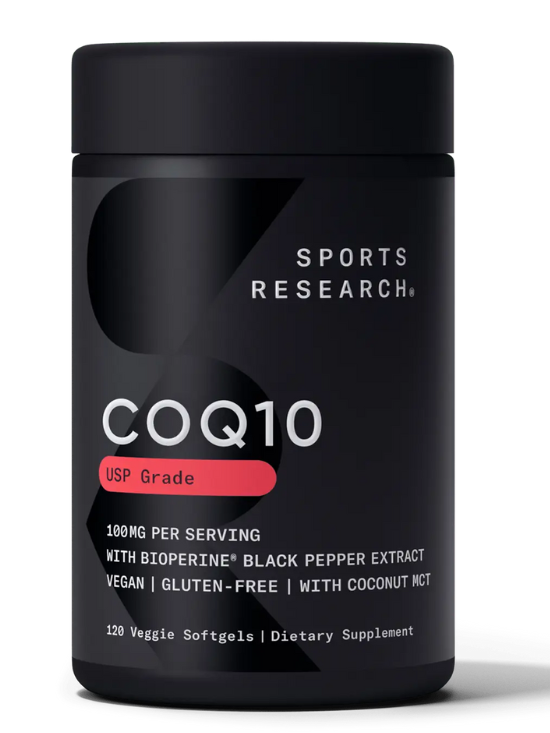
CoQ10 100mg
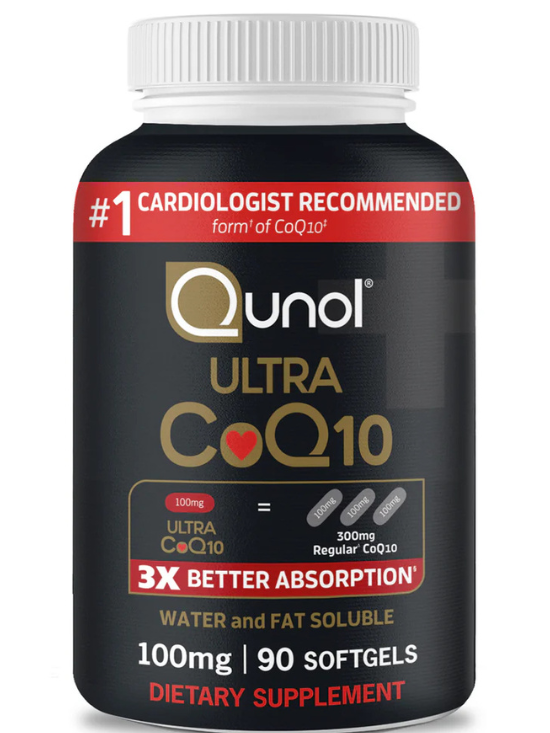
Qunol Ultra CoQ10

Doctor’s Best CoQ10
Safety & Precautions
CoQ10 is generally considered safe.
Possible Side Effects
mild nausea
stomach discomfort
headache
rare: mild drop in blood sugar when combined with medications
Who Should Be Careful?
Consult a healthcare professional if you:
use diabetes medications
take blood-thinning drugs
are pregnant or breastfeeding
have kidney or liver conditions
Conclusion
CoQ10 is a powerful and well-researched antioxidant that supports heart health, nerve comfort, and metabolic balance in people with diabetes. While it is not a treatment for diabetes, it may offer meaningful support through improved energy production, reduced oxidative stress, and better cardiovascular function.
A steady routine, informed supplementation, and lifestyle balance work together to create real improvement over time.
FAQs

Research suggests support for insulin sensitivity, inflammation, and heart function — but it is not a replacement for medical treatment.
Its primary benefit is metabolic support, not direct glucose lowering.
Ubiquinol absorbs better, but both forms are effective.
Yes. Many clinicians recommend CoQ10 for statin users.
Most people notice effects after 4–12 weeks.