
Berberine Benefits and Side Effects for Blood Sugar & Metabolic Health
Managing blood sugar and protecting long-term metabolic health has become a major priority worldwide. From prediabetes and insulin resistance to weight gain and fatty liver — millions are searching for natural support options backed by science.
One supplement gaining strong attention is Berberine — a plant-based compound known for improving blood sugar control, insulin sensitivity, and metabolic health.
This guide explains berberine benefits and side effects, dosage, research, and safe usage practices — clearly, responsibly, and without hype.
What is Berberine?
A Natural Metabolic Support Compound
Berberine is a bioactive alkaloid extracted from plants like:
Barberry
Goldenseal
Tree turmeric
Oregon grape
Historically used for digestion and immune support, modern studies now highlight its powerful metabolic benefits.
How Berberine Supports Metabolic Health
Activates AMPK — the “Metabolic Master Switch”
Helps the body utilize energy efficiently and burn fat.
Improves Insulin Sensitivity
Supports better cell response to insulin, aiding glucose uptake.
Helps Maintain Healthy Blood Sugar
Slows carbohydrate breakdown
Enhances glucose entry into muscles
Supports stable energy levels
Supports Fat Metabolism
Promotes healthier lipid profile and helps reduce inflammation.
Gut Microbiome Support
Improves gut composition — an important factor in blood sugar control.
Science-Backed Benefits
Research shows Berberine may:
Improve fasting glucose and HbA1c
Reduce insulin resistance
Support weight and waist-fat reduction
Improve triglycerides and LDL
Support liver health (fatty liver research emerging)
Studies compare its mechanism to Metformin, but it is not a replacement for medical treatment.
Berberine Benefits Overview
Better insulin sensitivity
Healthier blood-sugar trend
Support for metabolic balance
May aid weight management
Supports cholesterol and triglyceride levels
Berberine Side Effects
Mild Digestive Reactions
Some may experience temporary:
Gas
Mild stomach upset
Bloating
Usually improves over time or with lower initial dose.
Who Should Avoid Berberine
Pregnant or breastfeeding individuals
Those on diabetes medication without medical supervision
Those with major liver medication interactions
Recommended Dosage & Usage
Protocol |
Recommendation |
|---|---|
Standard dose
|
500 mg, 2–3× per day with meals
|
Start-slow method
|
500 mg once daily for 5–7 days
|
Best form
|
Berberine HCl, capsule
|
Cycle option
|
8–12 weeks on → 1–2 weeks break (optional)
|
Best Berberine Supplements (U.S. Picks)

Life Extension Berberine
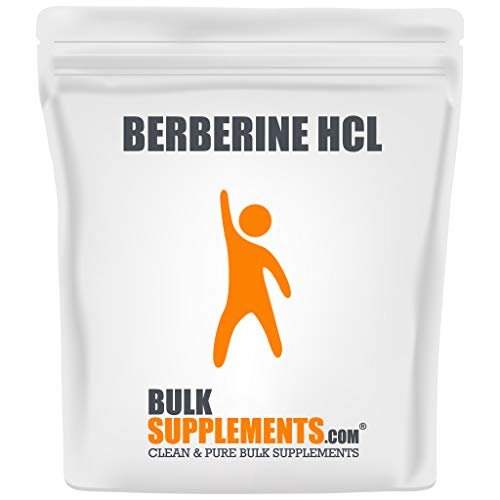
BulkSupplements Berberine

Nature's Bounty Berberine
Choose brands with third-party testing and transparent sourcing.
Berberine vs Metformin
Factor |
Berberine |
Metformin |
|---|---|---|
Prescription
|
❌
|
✅
|
Mechanism
|
AMPK activation
|
AMPK activation
|
Gut microbiome benefits
|
✅
|
✅
|
Role
|
Natural metabolic support
|
First-line diabetes medication
|
Important: Berberine may support metabolic balance but does not replace medical treatment.
Conclusion
Berberine is one of the most promising natural compounds for metabolic support, blood sugar balance, and insulin sensitivity. Combined with nutrition, movement, and medical guidance, it can be a powerful addition to a metabolic wellness routine.
Informed choices. Slow consistency. Real results.
Suggested Medical References
PubMed studies on Berberine & insulin resistance
AMPK metabolic activation research
Clinical trials comparing Berberine metabolic effects
FAQs

Typically 4–8 weeks.
Research suggests support through improved insulin sensitivity and fat metabolism.
With meals — reduces stomach upset and supports glucose response.