Evidence-Based Guide
Can Type 2 Diabetes Be Reversed?

Written by Abdul Rasheed
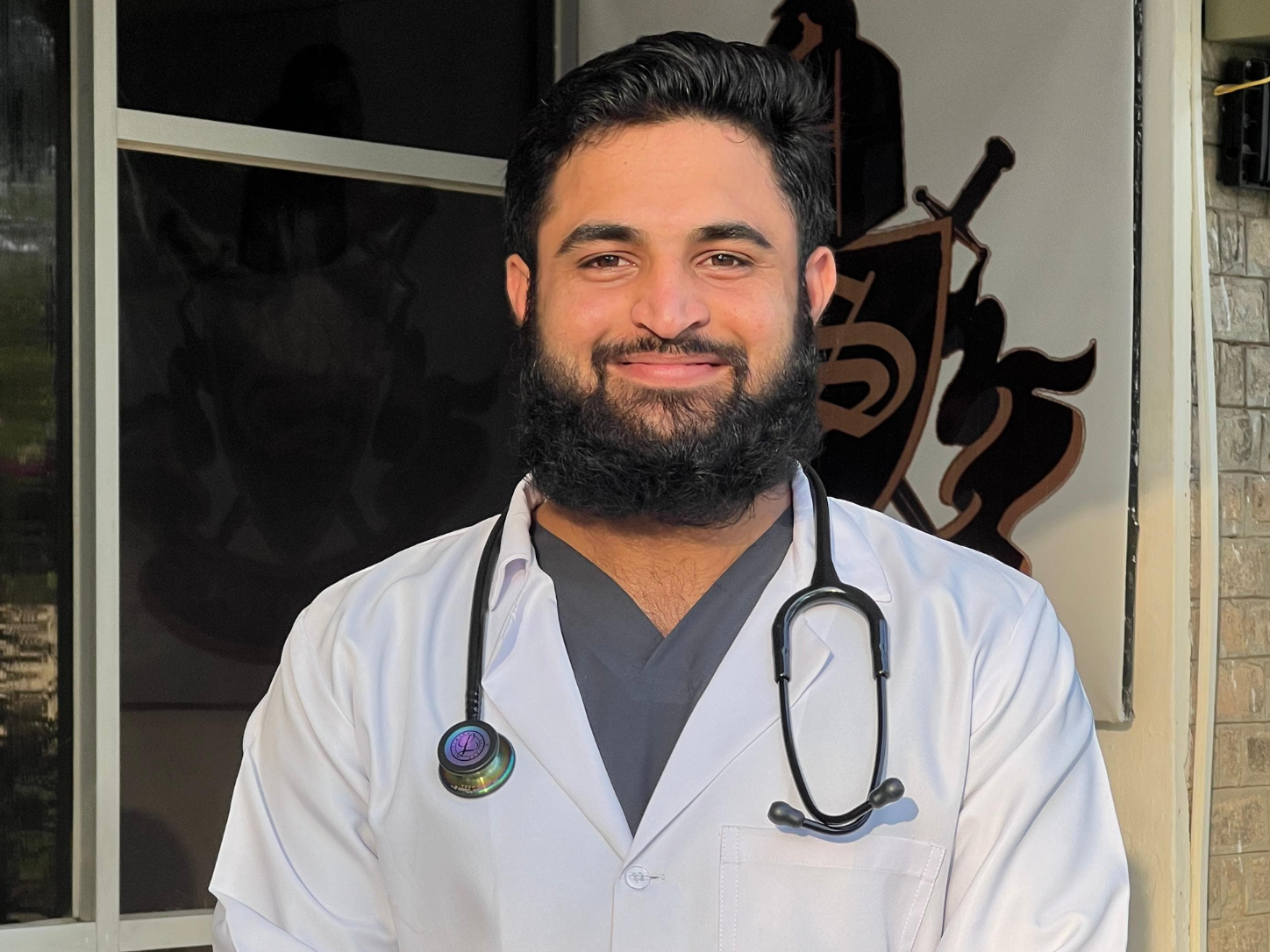
Medically reviewed by Muhammad Saad Abbas
Yes – type 2 diabetes can be reversed. More precisely, it can be put into remission: a state in which blood sugar returns to the normal range without diabetes medication and stays there. This is not a cure – the underlying susceptibility remains, and lifestyle consistency is required to stay in remission. But remission is a clinically validated, achievable goal for many people with type 2 diabetes, particularly those who act early and commit to sustained change.
This is the question that matters most to millions of people living with type 2 diabetes – and for a long time, the medical consensus answered it with a firm no. Type 2 diabetes was considered chronic, progressive, and irreversible. Patients were told to manage it, not reverse it.
That consensus has changed. A generation of clinical research – led most significantly by the landmark DiRECT trial – has demonstrated, with peer-reviewed evidence, that type 2 diabetes can go into remission. The question has shifted from ‘is it possible?’ to ‘for whom, through what, and for how long?’
This guide answers all of those questions with the evidence behind them.
Reversed, Cured, or In Remission - What's the Difference?
The language used to describe this topic matters clinically – and the distinction between reversal, cure, and remission affects what is realistic to expect.
Not possible
A ‘cure’
would mean the disease is permanently gone – the underlying susceptibility no longer exists and blood sugar would stay normal with no management. No current treatment achieves this. Type 2 diabetes does not have a cure.
Informal term
‘Reversed’
is the term most people use informally to describe remission. It has emotional resonance and captures what many people experience. This site uses the term because it reflects how patients think and search, while clarifying below what it means precisely.
Clinically validated
‘Remission’
is the clinically correct term. In 2021, four major medical organisations including the American Diabetes Association issued a joint consensus statement defining remission as: an HbA1c below 6.5% for at least three months after stopping all diabetes medication.
Remission is not a passive state. It requires the ongoing lifestyle conditions that created it. If those conditions are abandoned – weight regained, diet reverts, physical activity stops – blood sugar is likely to rise again. Maintaining remission is part of achieving it.
What the Science Says: The DiRECT Trial and the Evidence for Remission
The most important clinical evidence for type 2 diabetes remission comes from the Diabetes Remission Clinical Trial – DiRECT – conducted by Professors Roy Taylor (Newcastle University) and Mike Lean (University of Glasgow), funded by Diabetes UK.
DiRECT enrolled 306 adults diagnosed with type 2 diabetes within the previous six years. Half received standard diabetes care. The other half received a structured very low-calorie dietary programme (825-850 calories per day for 12 weeks, followed by gradual reintroduction of food and ongoing weight maintenance support).
DiRECT Trial Milestone |
Result |
|---|---|
Remission at Year 1
|
46% of intervention participants - almost half
|
Remission at Year 2
|
36% of all participants; 75% of year-1 remission group sustained remission
|
Remission at Year 5
|
26% of those in remission at year 2 still in remission at year 5
|
Weight loss >10kg threshold
|
75% of participants in remission at both year 1 and year 2
|
Weight loss >15kg threshold
|
Over 80% of participants in remission at both year 1 and year 2
|
Serious medical events
|
Halved in the intervention group over 5 years vs control group
|
These results, published in The Lancet and replicated in subsequent studies, fundamentally changed the scientific consensus. The 2024 extension of DiRECT, extending follow-up to five years, confirmed that remission can be sustained long-term in those who maintain weight loss – while also showing that weight regain is common and frequently leads to relapse.
Why Weight Loss Reverses Type 2 Diabetes: The Twin Cycle Hypothesis
Professor Roy Taylor identified the mechanism through which type 2 diabetes develops – and through which it can be reversed – in what he calls the ‘twin cycle hypothesis’:
- Excess caloric intake over years leads to fat accumulating in the liver beyond its normal capacity.
- Fat-saturated liver cells resist insulin and overproduce glucose – raising blood sugar.
- Excess fat then spills over from the liver into the pancreas.
- Fat in the pancreas damages the insulin-producing beta cells, causing insulin secretion to fall below what the body needs.
- The result: both too much glucose production and too little insulin – the defining feature of type 2 diabetes.
The reversal pathway follows the same logic in reverse: significant weight loss removes ectopic fat from the liver and pancreas. Beta cell function begins to recover. Insulin production improves. Blood sugar normalises. Remission follows.
A 2019 sub-study of DiRECT found that in people who achieved two-year remission, beta cell functional mass had fully recovered – suggesting the damage is not permanent when addressed early enough.
How to Reverse Type 2 Diabetes: The Evidence-Based Pathways
There is no single way to achieve type 2 diabetes remission. The evidence supports several distinct pathways – each with different mechanisms, different remission rates, and different suitability depending on a person’s circumstances.
Pathway |
How It Works |
Evidence |
Best For |
|---|---|---|---|
Very low-calorie diet (800-850 kcal/day)
|
Rapid fat removal from liver and pancreas restores beta cell function
|
~46% remission at year 1 (DiRECT)
|
Recently diagnosed, BMI over 27
|
Low-carbohydrate diet
|
Reduces blood glucose demand, lowers insulin resistance, promotes fat loss
|
Strong HbA1c improvement evidence
|
Those preferring sustainable food changes
|
Mediterranean diet
|
Anti-inflammatory, high-fibre; improves insulin sensitivity over time
|
Best for prevention and early-stage
|
Long-term maintenance
|
Bariatric surgery
|
Dramatic weight loss + hormonal changes restore insulin function
|
60-80%+ long-term remission
|
Severe obesity (BMI 35+) with established T2D
|
GLP-1 agonists (e.g., semaglutide)
|
Weight loss + direct metabolic improvement; remission during treatment
|
44% in some RCTs with calorie restriction
|
With clinical supervision and access to medication
|
Pathway 1: Very Low-Calorie Diet
The DiRECT approach – reducing total daily calories to 800-850 through meal replacement formula products for 12 weeks, then gradually reintroducing healthy whole foods – produces the fastest and most dramatic fat loss from the liver and pancreas. This is the single most evidence-backed approach to achieving remission.
It is also the most demanding. Twelve weeks of severely restricted intake requires significant motivation, medical supervision, and structured support. Without the gradual reintroduction phase and ongoing weight maintenance support, weight is typically regained and remission is lost.
Pathway 2: Low-Carbohydrate Diet
Reducing carbohydrate intake – typically to 50-130 grams per day for low-carb, or under 50 grams for ketogenic – lowers post-meal blood glucose directly, reduces insulin demand, and over time promotes weight loss and improvement in insulin sensitivity.
A 2019 study in Diabetes Research and Clinical Practice found that low-carb diets produced remission in a significant proportion of participants without the caloric severity of a VLCD. For many people, reducing carbohydrates sustainably over years is a more achievable long-term approach than a structured low-calorie programme.
Pathway 3: Mediterranean Diet
The Mediterranean dietary pattern – high in vegetables, legumes, olive oil, whole grains, and fish; low in red meat, processed foods, and added sugars – has strong evidence for improving insulin sensitivity and cardiovascular health in type 2 diabetes. It is less likely to produce the dramatic rapid remission seen with VLCD, but its long-term sustainability makes it the most practical approach for lifetime maintenance of metabolic health.
Pathway 4: GLP-1 Receptor Agonists and Medication-Assisted Remission
GLP-1 receptor agonists – including semaglutide (Ozempic/Wegovy) – are showing significant potential for medication-assisted remission. These drugs produce substantial weight loss and have direct metabolic benefits. One randomised study found that combining an SGLT-2 inhibitor with calorie restriction achieved remission in 44% of participants.
This is not a first-line approach for most people – lifestyle intervention remains primary. But for those who have not achieved remission through diet alone, medication-assisted approaches represent a clinically legitimate option. Any decision about medication must be made with a healthcare provider.
How Much Weight Do You Need to Lose to Reverse Type 2 Diabetes?
The DiRECT trial provides the clearest evidence-based answer:
75%
80%+
10%
An important nuance from Professor Taylor’s research is the ‘personal fat threshold’ – the maximum amount of fat each person can store in healthy adipose tissue before it begins accumulating in the liver and pancreas. This threshold varies enormously between individuals. Some people develop type 2 diabetes at a relatively low body weight because their personal threshold is low, while others can carry significantly more weight without metabolic consequences.
This is why there is no universal target weight. The goal is to lose enough to bring fat stores below your personal fat threshold – and for some people, this requires less total weight loss than standard clinical guidelines suggest.
How Long Does It Take to Reverse Type 2 Diabetes?
The timeline varies by individual and approach, but research points to a consistent general pattern:
- 2-4 weeks – blood sugar improvements begin with significant dietary change.
- 4-8 weeks – HbA1c levels begin to fall. Some people begin reducing oral medication under medical supervision.
- 3 months – the first clinical checkpoint. HbA1c below 6.5% without medication meets the ADA remission definition.
- 6-12 months – sustained remission confirmed for many who have maintained weight loss and dietary changes.
- 5 years – DiRECT extension data shows 26% of those in remission at year 2 remain in remission at year 5.
The most important variable is not time – it is consistency. Steady, sustainable progress outperforms rapid intervention followed by reversion in every major study.
Who Is Most Likely to Achieve Remission?
The evidence consistently shows that remission is more achievable in some circumstances than others. The strongest predictors of success are:
- Duration of diabetes – the most important single predictor. DiRECT enrolled participants diagnosed within the previous 6 years. The shorter the time since diagnosis, the greater the remaining beta cell function and the greater the potential for recovery.
- Starting HbA1c – people with HbA1c closer to the diabetic threshold (6.5%) at the start of intervention tend to achieve remission more readily than those with very high blood sugar.
- Body weight and fat distribution – significant visceral fat provides more room for metabolic improvement. Remission has been achieved across a wide BMI range.
- Not yet requiring insulin – people not yet on insulin therapy have more remaining beta cell function and typically achieve remission more readily.
- Motivation and support – consistently cited across studies. People with structured programmes and regular healthcare contact achieve better outcomes.
Can Type 2 Diabetes Be Reversed After Years?
Yes – but the probability and degree of remission decreases with duration. After 10+ years, significant beta cell loss may have occurred. However, meaningful improvement in blood sugar control, reduction in medication requirements, and improvement in cardiovascular risk factors are achievable for almost everyone through sustained lifestyle intervention – regardless of how long the condition has been present.
Partial reversal – substantially improved management with reduced medication – remains a meaningful and realistic goal even when full remission is not reached.
Can Type 2 Diabetes Be Reversed Without Medication?
Yes – and this is exactly what remission means in its strictest clinical sense. The ADA definition requires HbA1c below 6.5% for at least three months without any diabetes medication. The DiRECT trial achieved this in approximately one-third of all participants through dietary intervention alone.
That said, medication can play a supportive role – particularly for people with higher HbA1c or longer-standing diabetes. GLP-1 receptor agonists have shown significant potential for medication-assisted remission. The goal in those cases is to achieve remission and then, under medical supervision, gradually reduce and stop medication as blood sugar stabilises.
⚠ Critical: Any reduction or cessation of diabetes medication must be done under medical supervision. Never stop diabetes medication without speaking to your healthcare provider — particularly insulin or sulphonylureas, which carry hypoglycaemia risk.
What Happens If You Stop the Lifestyle Changes?
This is the most important practical question about remission – and the DiRECT extension data answers it directly: weight regain is common, and when significant weight is regained, remission is often lost.
In the DiRECT 5-year follow-up, the majority of participants had regained some weight by years three to five. The overall remission rate at five years was 13% – lower than the 46% at year one. Of those who remained in remission at year five, the common feature was maintenance of more of their initial weight loss.
This does not make remission less valuable. The data also showed that even those who regained weight had significantly fewer serious medical events requiring hospitalisation compared to the control group. The health benefits of the intervention persisted even after partial relapse.
The practical implication: remission is not a destination you reach and then leave. It is a state you maintain. The lifestyle that achieved remission is the lifestyle that sustains it.
Can Type 2 Diabetes Be Reversed in 3 Months?
Three months is the clinical minimum for confirming remission – the ADA definition requires HbA1c below 6.5% for at least three months without medication. So in principle, yes: for some people, remission can be established within three months of beginning a significant lifestyle intervention.
The people most likely to show remission within three months are those who were recently diagnosed (within the last 2 years), whose HbA1c was not dramatically elevated, and who make immediate and substantial dietary changes.
For most people, three months marks significant progress – measurably reduced HbA1c, reduced medication requirements, meaningful weight loss, improved energy – rather than confirmed full remission. Sustained remission typically requires 6-12 months of consistent effort, followed by a lifetime of maintenance.
Frequently Asked Questions
Not permanently in the sense of a cure - but remission can be sustained long-term. DiRECT extension data shows people who maintain their weight loss can remain in remission for at least five years. There is no fixed ceiling on how long remission can last. However, if lifestyle changes are abandoned and weight is regained, blood sugar typically rises again. Long-term remission requires long-term lifestyle consistency.
Yes - type 2 diabetes is reversible, or more precisely, can be put into remission, for many people. The DiRECT trial demonstrated nearly half of participants achieved remission through a structured dietary intervention. A 2025 systematic review in Diabetes Care confirmed that nonsurgical interventions can achieve remission, particularly in people diagnosed recently. Remission is not guaranteed for everyone, but it is a clinically validated and achievable goal.
No - and this matters. Type 2 diabetes develops through a combination of genetics, biology, environment, and circumstances that are not simply the result of personal choices. Genetics lower the threshold at which metabolic dysfunction develops. The modern food environment, stress, poverty, sleep deprivation, and other social factors all contribute. Blame is not clinically useful. Understanding what drives the condition - and what changes it - is what actually helps.
Yes - the clinical definition of remission specifically requires HbA1c below 6.5% without any diabetes medication. The DiRECT trial achieved this in approximately one-third of all participants through dietary intervention alone. Medication can play a supportive role for people with higher HbA1c or longer-standing diabetes. Any reduction in medication must be made with medical supervision - never independently.
Yes - and this is the primary evidence-based approach. The DiRECT trial used a very low-calorie dietary programme without any additional medication. Exercise independently improves insulin sensitivity, reduces visceral fat, and lowers HbA1c. The combination of significant dietary change and regular physical activity is the most powerful non-pharmaceutical tool available for type 2 diabetes remission.
The most common early signs are: increased thirst and frequent urination, persistent fatigue especially after meals, blurred vision, slow-healing wounds, darkened skin patches on the neck or armpits, tingling or numbness in the hands and feet, and frequent infections. Many people with type 2 diabetes have no noticeable symptoms - which is why screening for anyone with risk factors is essential. Early detection maximises the window for successful reversal.
Three months is the minimum time required to confirm remission. For recently diagnosed people who make significant dietary changes immediately, remission can be established within 3 months. For most people, 3 months marks meaningful progress - reduced HbA1c, reduced medication, improved energy - rather than confirmed remission. Sustained remission often takes 6-12 months of consistent effort.
DiRECT data shows that losing more than 10kg (22 lbs) put 75% of participants into remission. Losing more than 15kg (33 lbs) put over 80% into remission. However, the threshold varies by individual due to the 'personal fat threshold' concept - some people achieve remission with less weight loss because their metabolic threshold is lower. A 10% reduction in body weight produces significant improvement even without full remission.
Full remission becomes less likely after 10+ years because beta cell function declines progressively. However, significant improvement in blood sugar control, reduction in medication requirements, and improvement in cardiovascular risk factors are achievable for almost everyone through sustained lifestyle intervention, regardless of duration. Partial reversal - substantially improved management with reduced medication - remains a meaningful and realistic goal.
A cure means the disease is permanently gone - blood sugar stays normal with no management required. No treatment currently achieves this. Remission means blood sugar has returned to the normal range without medication, but the underlying susceptibility remains. The lifestyle that achieved remission must be maintained to sustain it. Remission is not a cure - but it means living without diabetes symptoms, without medication, with blood sugar in the normal range.
Key Takeaway
The answer to the question this article asks is: yes.
Type 2 diabetes can be reversed. Blood sugar can return to the normal range without medication. The processes that drove the condition – fat accumulating in the liver and pancreas, insulin resistance deepening, beta cell function declining – are not permanent when addressed with sufficient consistency and enough time.
The evidence is not anecdotal. It comes from randomised controlled trials, peer-reviewed publications, and data from thousands of participants. The DiRECT trial demonstrated it. The ADA has defined criteria for it. The scientific consensus, once firmly against this possibility, has shifted.
Remission is not a guarantee for everyone. It is more achievable early than late, more durable when maintained than when abandoned, and more accessible with support than without. But for a large proportion of people with type 2 diabetes – particularly those willing to make real, sustained changes – it is a genuine and achievable goal.
The window for reversal is open. The evidence shows it is wide enough to walk through.
How We Research Our Medical Content
Every article on Diabetes Knowledge Hub is researched to a consistent standard. For this article on type 2 diabetes reversal:
- Primary research referenced – DiRECT trial (Taylor and Lean, Lancet 2018, 2020, 2024 extension); DiRECT 5-year extension (Lancet Diabetes and Endocrinology, February 2024); 2025 ADA Diabetes Care systematic review on nonsurgical remission; Roy Taylor twin cycle hypothesis (Newcastle University)
- Clinical guidelines reviewed – ADA/EASD/AACE 2021 joint consensus statement on type 2 diabetes remission definition; ADA Standards of Care 2026
- Medical accuracy review – Content submitted for review by a qualified diabetes specialist (CDCES or RD) prior to publication
- Author transparency – Written by Abdul Rasheed, Founder and Lead Editor, Diabetes Knowledge Hub
Medical Disclaimer: The information on this page is for educational purposes only and does not replace professional medical advice, diagnosis, or treatment. Always consult a qualified healthcare provider before making changes to your diet, exercise routine, or medication.
📋 On This Page